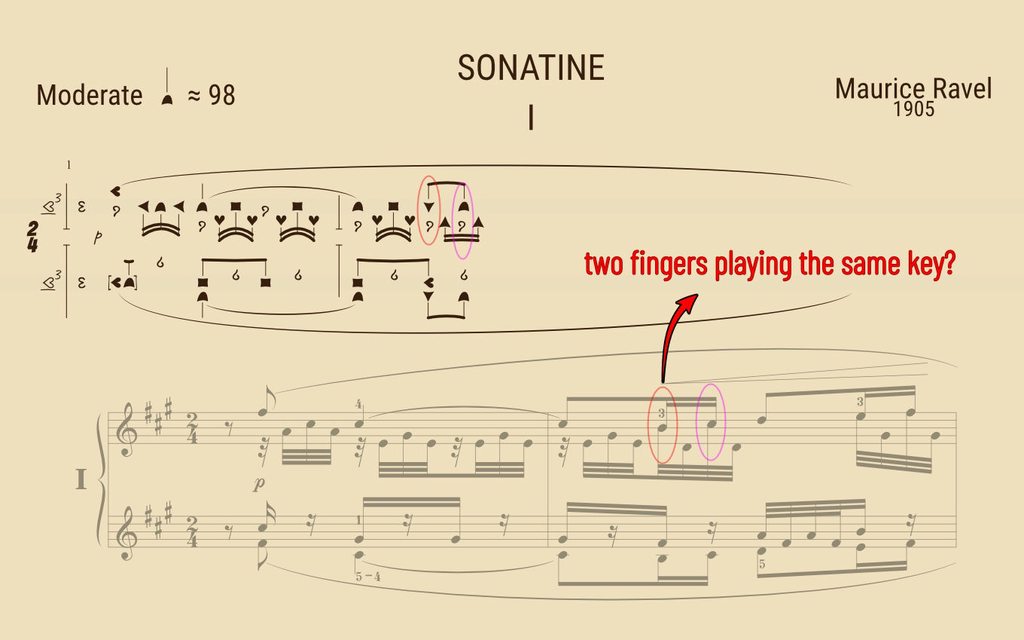
PASHKULI I am mostly sure this piece is intended for piano but it also could be purposed for a quartet. I can only guess.
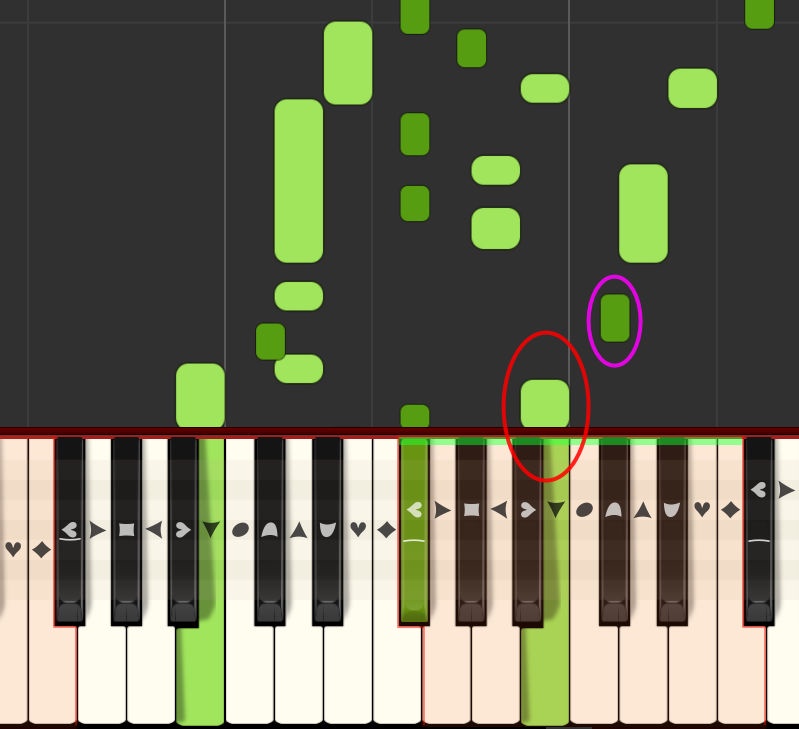
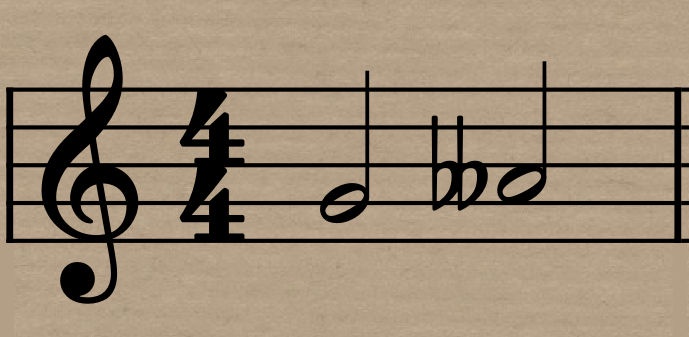
It is indeed a piano piece, but the notation here shows more than just what notes to play when: it shows the underlying voice writing. It just happens that two voices converge on the same note. There is no special technique for playing this note, it's just important to know that it belongs to both voices.
This sort of voice writing is common in keyboard music, specially in pieces such as fugues where several voices may converge and cross. We pianists use the information this communicates in deciding how to interpret the music. Often it will help to imagine an orchestra or a choir.
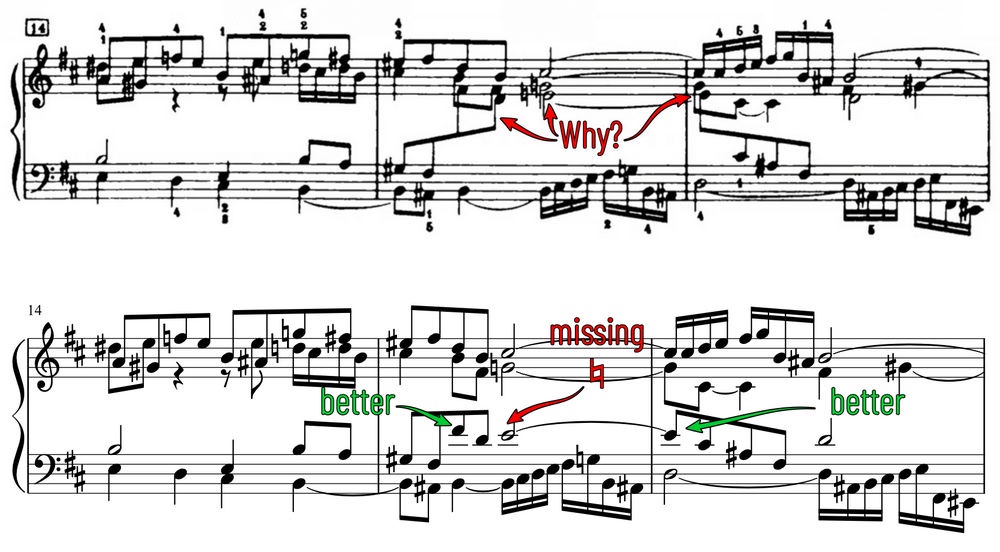
Here are a few bars from the 24th fugue in the first book of Bach's Well-Tempered Clavier:

In bar 12, voices 2, 3 and 4 are playing. The first voice enters in bar 13, and at the end of this bar the second voice coincides with the first. At the beginning of bar 14 the two voices cross over. You can see which notes belong to which voice in these two bars by looking at the tails: the tails of the first voice go upwards and the tails of the second voice go downwards.
A notation system needs to reflect faithfully the wishes of the composer, so there needs to be a way of showing voices that may converge on one note, or cross over.
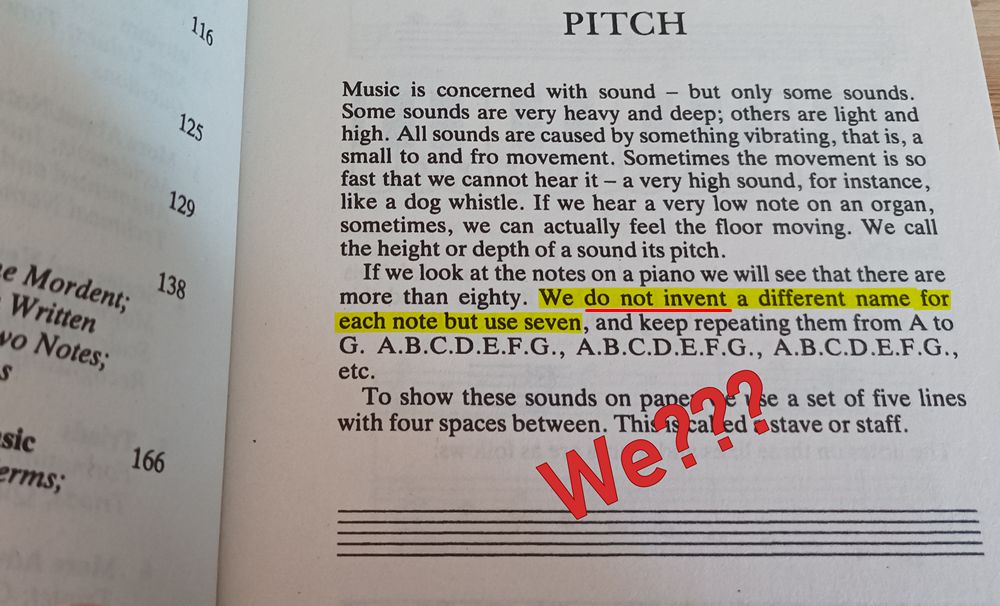
PASHKULI I have studied Spanish and English years before I moved and lived in such speaking countries to the point where I see the problems in those languages
Maybe you concentrate too much on what you consider to be problems? I know English, French and German intimately and take great delight in the subtleties of each language. Since most of my work has been in opera theatres, I have had the pleasure of working with wonderful language coaches who all adore their respective languages and have helped singers of various nationalities sing in Italian, Russian, Czech and Hungarian.
All these languages have their quirks, but I don't see them as problems. I relish them: they add spice. Sometimes a word or a phrase intrigues me and I will research its origins, maybe finding out that it comes from a misunderstanding or mispronunciation of a foreign word. Sometimes something strikes me as particularly illogical, and I will try to find out if there was as some point a logic to it that has been lost.
The idiosyncrasies are bound up with the history of each language. This history may have dark sides, there may be racism and oppression involved, and there are certainly cases where it is good to think of using different words or phrases, but most of the time this isn't necessary. Languages are rich, multi-faceted, fascinating things that have been shaped over centuries, and for me a constant source of wonder.