rsl12
I think we are all good.
It is normal for many musicians (by 'many' I mean those who have invested time as in education of the typical Music school tradition) to have not paid much attention or even have skipped the Music history class. Or rather, to have taken it for granted as it is, because quite frankly they teach only one side of the story – that of the church.
Most students have no idea that at one piont in time there were no "flats and sharps" and all notes were… natural though divided into genera (old word for tuning or rather – temperament).
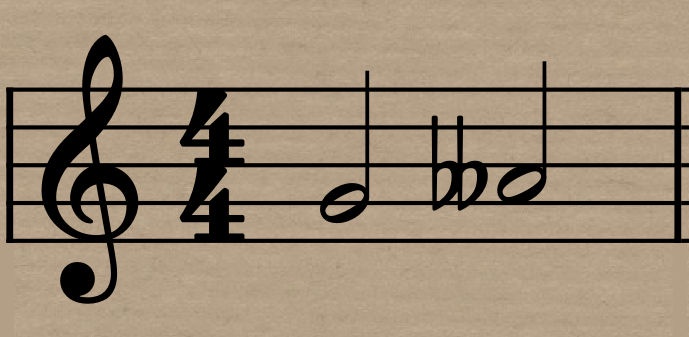
Then at one point, due to misunderstanding, the two Bs ( ♮ and ♭ ) in the upper register ("octave") were both accidentals, yet they had the same key shape as the rest of the notes, at the time of 10th 11th century.
This has its explanation, because contrary to any expectation, the modes in use were what we call today 'G major' (the G = Г for Гαμμα = gamma) and by saying 'major' I mean both the Ionian and Mixolydian (also called Dominant). Then when naming the notes as another 'special case' to the letters used they followed the syllables Ut…, Re…, Mi…, Fe… from where comes the invented word gamut (gamma + ut) which is still in use today in English though primarily in completely different applications. In my country we use Gamma for music application because Greeks have been our neighbours (since millennia). Yet, this comes from the Church, not from the Greeks. They never used Г as a sort of name for a genera (tuning, mode, scale, temperament). The mekieval church monks did that.

Those same students do not understand why it was called Dominant either. They repeat the indoctrinated definition about "tension and release" but what 'tension' has to do with 'dominance' (to govern, command, power) is unclear when being asked to explain. They might go in the right direction by mentioning the natural appearence of harmonics, especially the overtones, from and of a single note but that is vaguely relevant to music harmony of the so called Tonic and Dominant. Then maybe the undertones for the importance of Subdominant (yet again that word 'dominant')… and it will end up in an awkward "erm… yeah, that's why!".
Imagine if a simple question is asked such as "Why A is where it is on a piano, and why A is not where C is… after all we call it "middle" C and it is the note between the two staves on the grand staff usually."
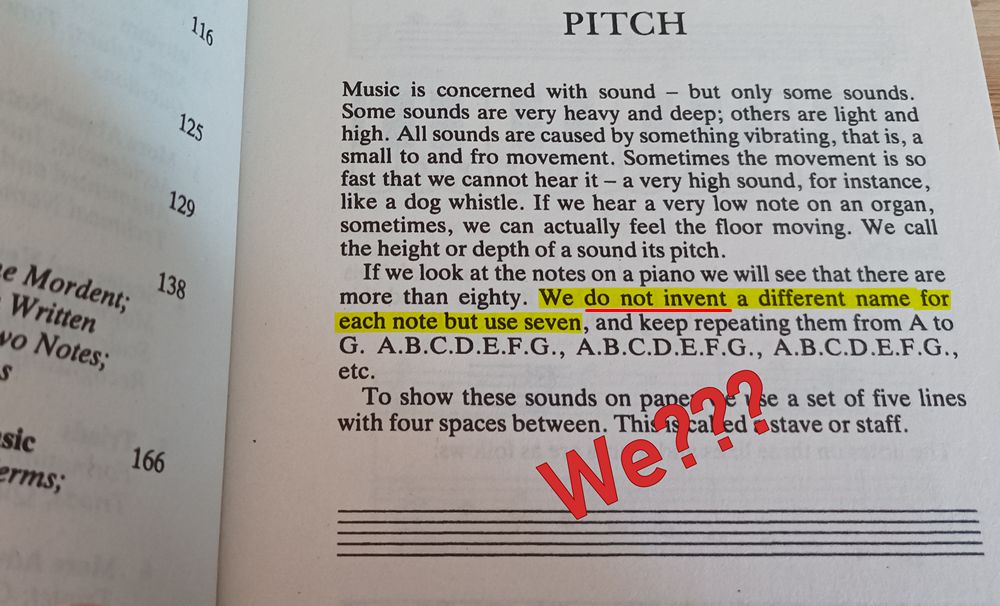

That's what the big Music theory books say and start with usually… basically indoctrinating the fresh minds.