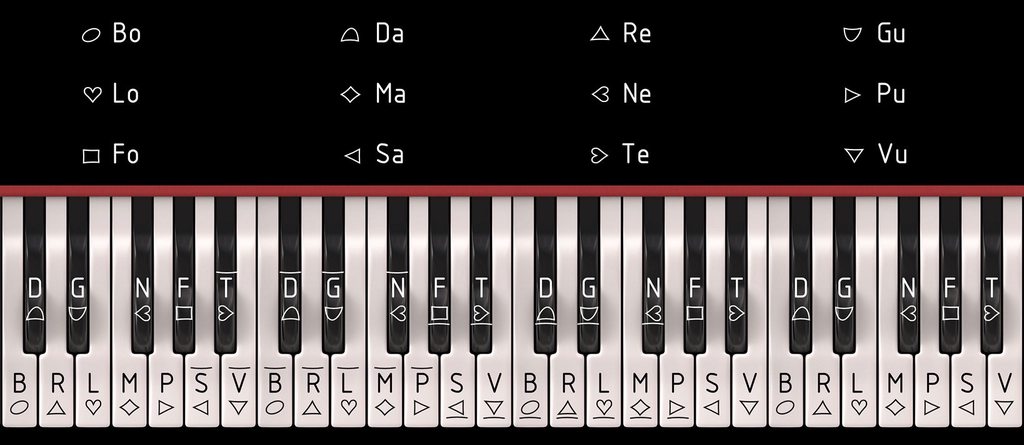
MRC That site presents many variants of chromatic notation systems, which remove the difference between flats and sharps and give each of the 12 notes of a chromatic scale its own line or space.
To understand the current Musical notation (please note, that understanding it is completely different from learning it!) one should first know how it came to be, its origin and what it represents. What makes (or had to be made) the need for distinguishing certain 7 notes from 5 at least in 12 TET (12 tone equal temperament).
Is it a special case? Yes, it is.
Can it (flat\sharps) seen clearly seen anywhere? Yes, it can – on a Halberstadt ("standard" piano keyboard).
• the 'black' keys are representing such "accidentals"
• so, there must be a correlation… and there is!
• so why call them "accidentals"… well, those keys were not present there and when they were introduced they were used quite "accidentally" as a 'chromatic' colorising mode (see, ancient hellenic genera from Pythagoras\Aristoxenus and Alypius times)
• but not every musician is a pianist, therefore it is yet another special case
• at the very beginning of creating the "standard" music notation (year 1017) B (♮) and B♭ (♭) were both considered accidentals for the Roman church (catholic) chants. That was not the case in other parts of Europe and certainly not in folk music!
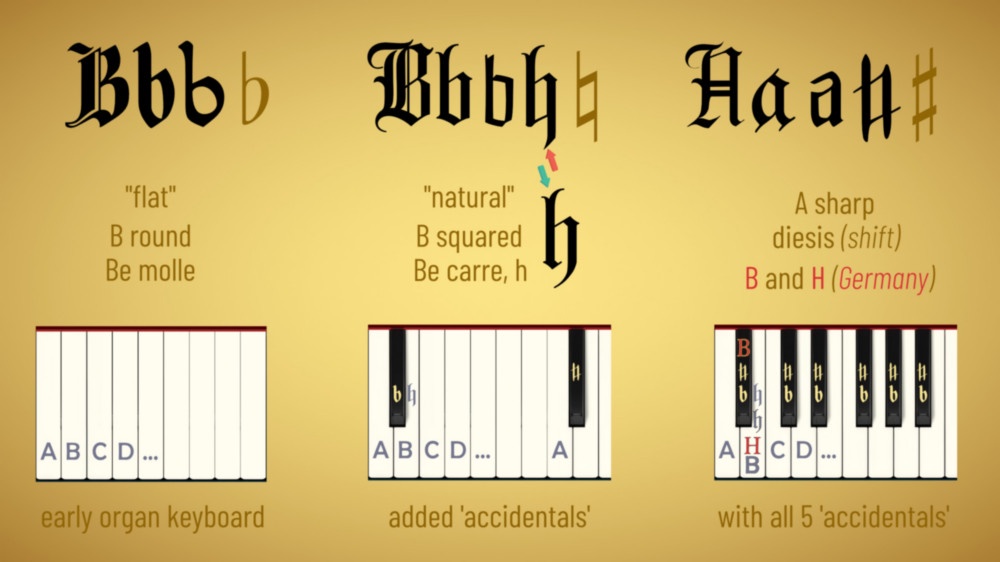
Does it lead to ambiguity? Yes, it does.
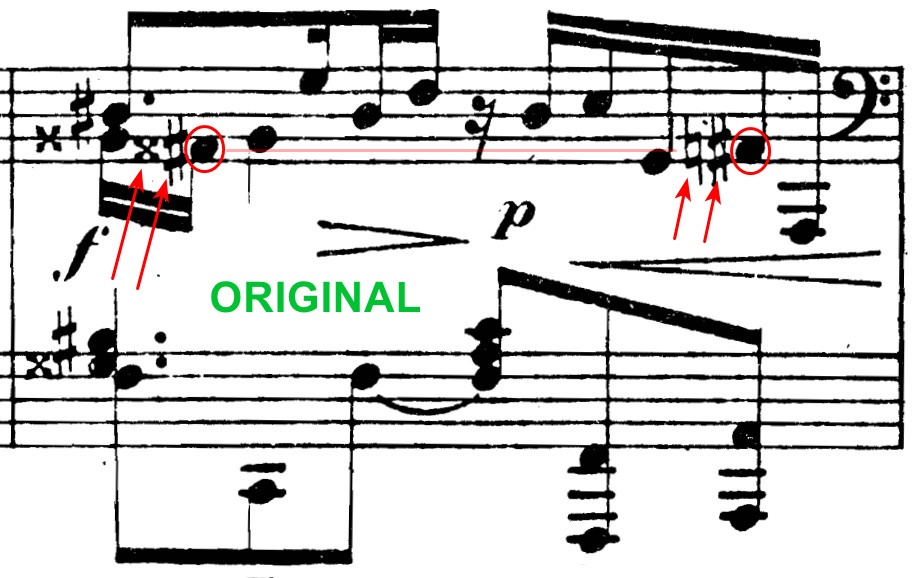
• a 'black' key can have two accidental sufixes or prefixes (♭ or ♯) depending on the chosen modal structure (already included notes as written symbols); same is valid for yet another special cases of double alterations to escape structiral ambiguity… and that is the irony of it!
• this all originates from the special case of naming only 7 of the notes (originaly only 6 as explained about ♮ and ♭) as the eraly church chants were strictly modal or diatonic (to use the hellenic terminology)
Similarly, at the very origins staff had 4 lines, later a 5th was added. Then the introduction of clefs made each staff lines and spaces between lines represent different notes (mismatch).
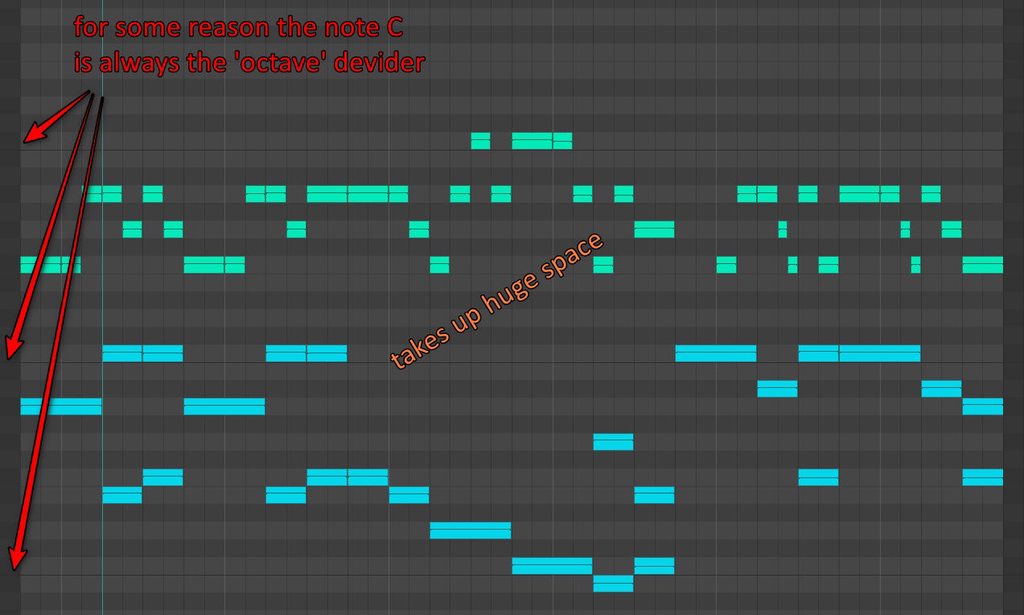
Some modern (pianolla roll and MIDI) type of 'chromatic' staves eliminated such problem (mismatch). The problem is they would take enormous space.
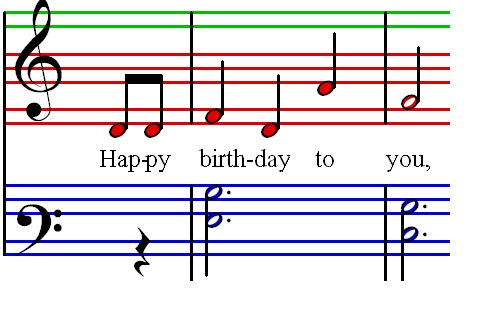
The typical stave with 5 lines sacrifices 42% of that space (as 5 notes are not represented vertically!) but if we take into consideration the 'double accidentals' and 'octave' designations this % goes to 50% and a bit more.
So, no… The "standard" music notation does not give us a correct interval structure vertically but a special case one.
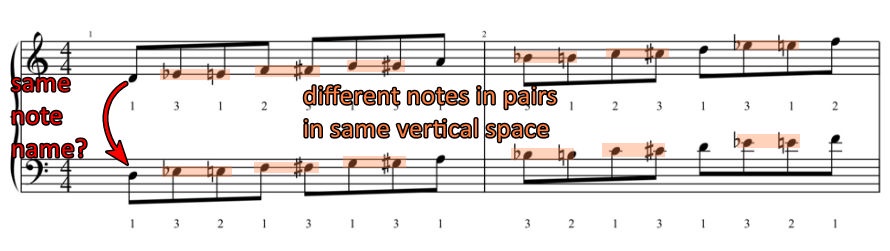
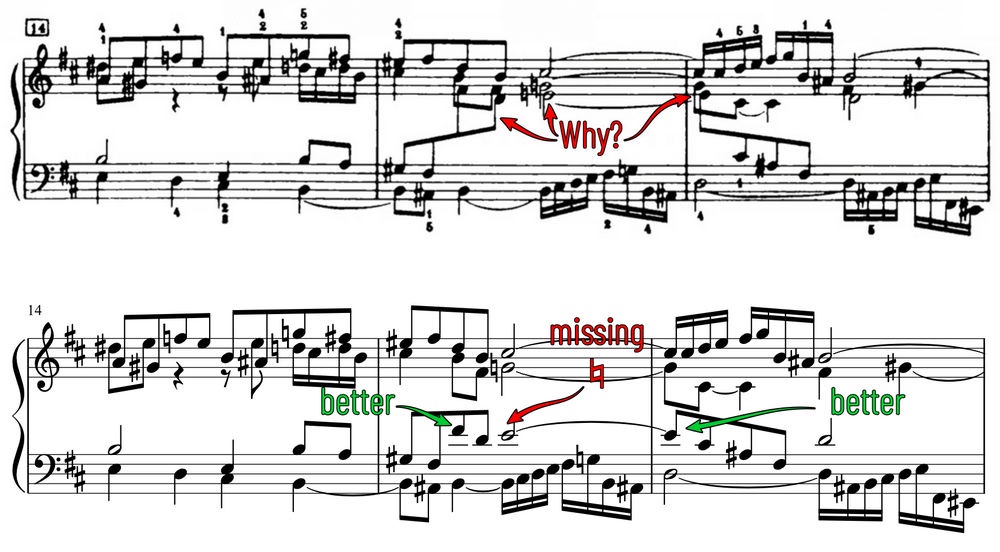
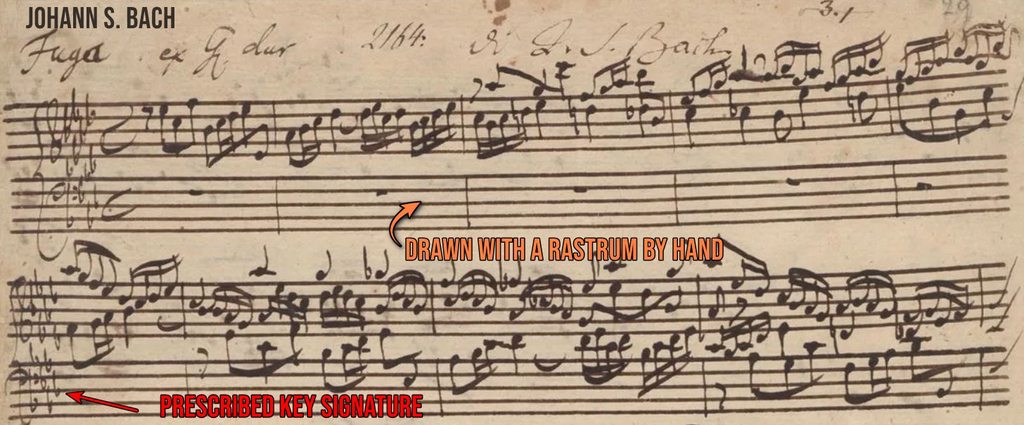
Introducing key signatures makes it even worse as they have to be imprinted and shown but usually learned. Then there are rules for an alterated note within a bar which would be valid for any note on same line but not 'octaves' of same note till the end of the bar. Then it has to be written again (otherwise it stops affecting the notes).
Such problems are inherited by the special cases mentioned above.
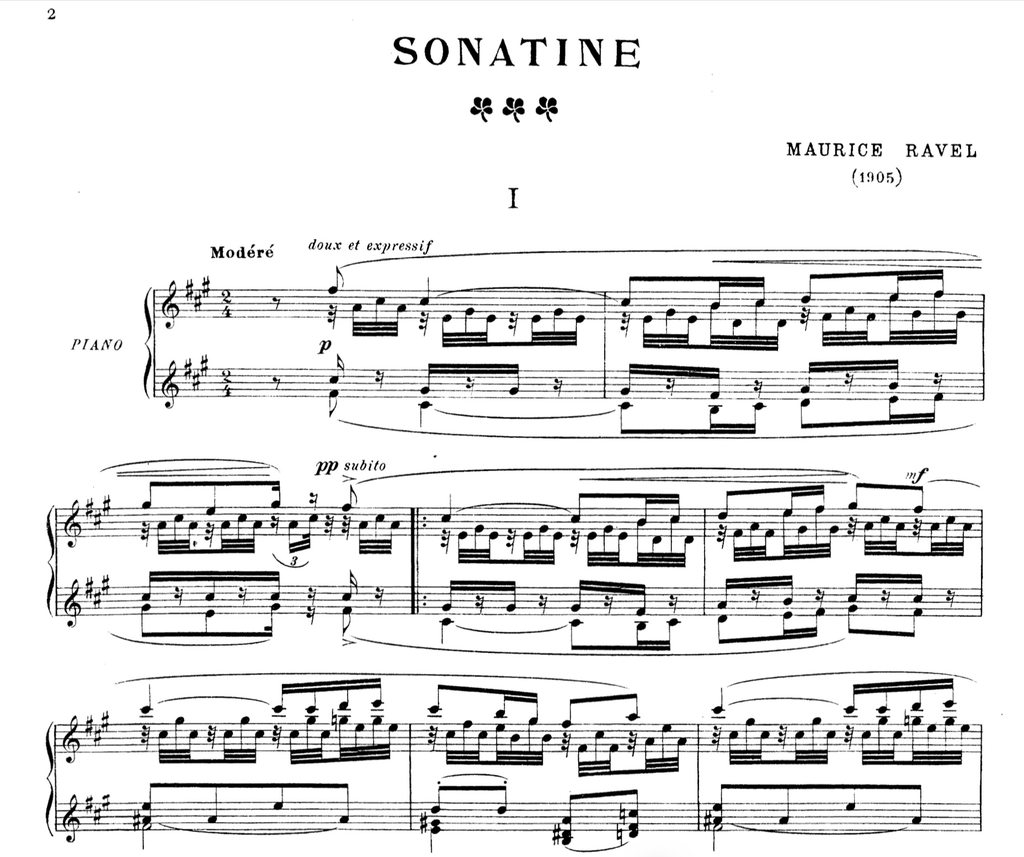
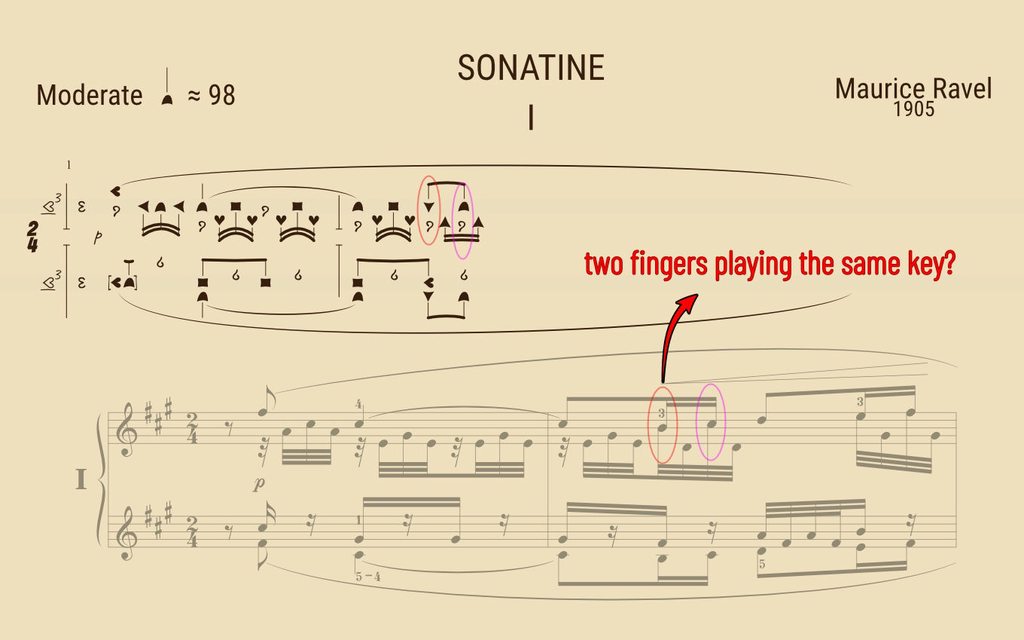
But all those chromatic notations, besides taking up much more vertical space (MIDI roll is not good for human reading from paper anyway!) and paper or screen estate (turning of pages), they also are either bound to the piano layout (Klavarskribo and Clairnote, Muto and others) or using quite a lot of ledger lines – which does not make them any more good than the typical music staff.
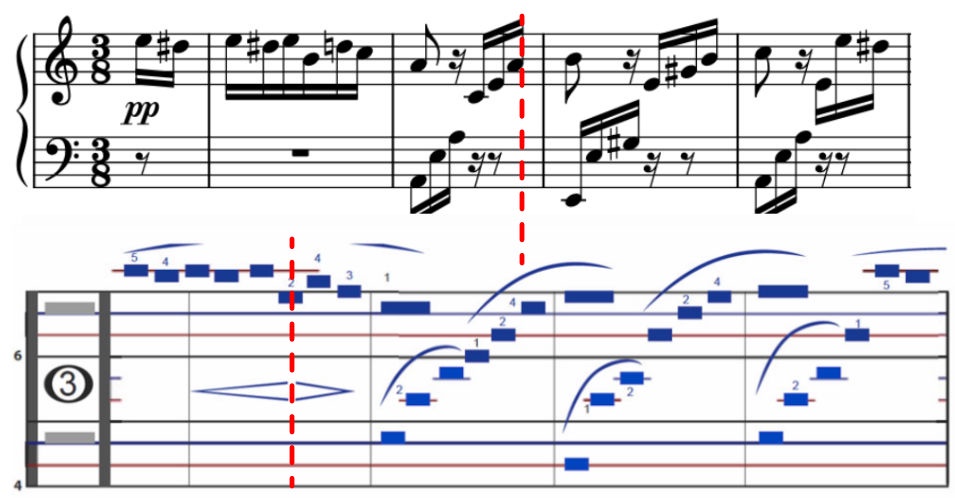
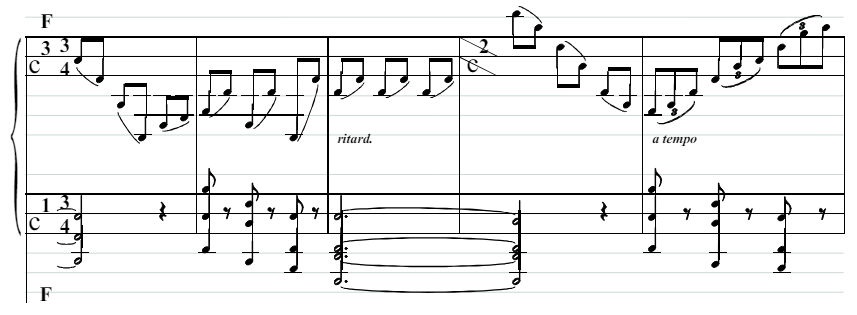
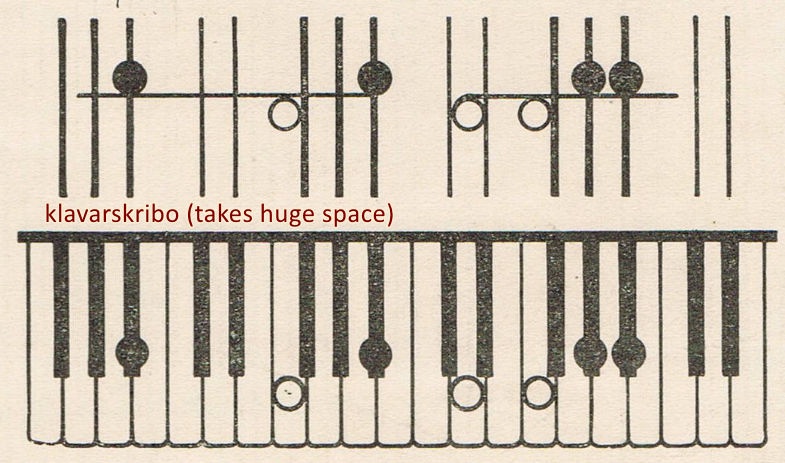
All those require pre‑rendered or pre-engraved staff lines – special paper (score paper). Bach used to draw his staff lines with a 5 pointed rastrum (special pen-like instrument) before the printing machine and engraving tablets for Music application got implemented across its country of origin Germany and subsequently in Europe.
The key separation and accidentals are sort of a 'geocentric' model view on Music.
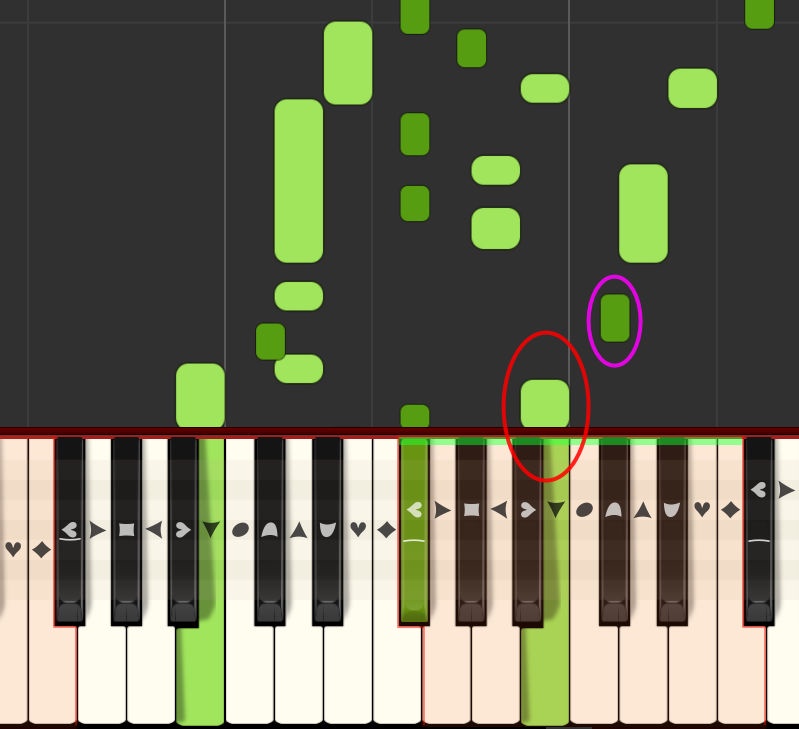
MIDI‑roll is a modern tool and its Music notation based derivatives (Dodeka and ) but it only suits computers, not humans. Print out a MIDI‑roll and you'll understand what I mean.
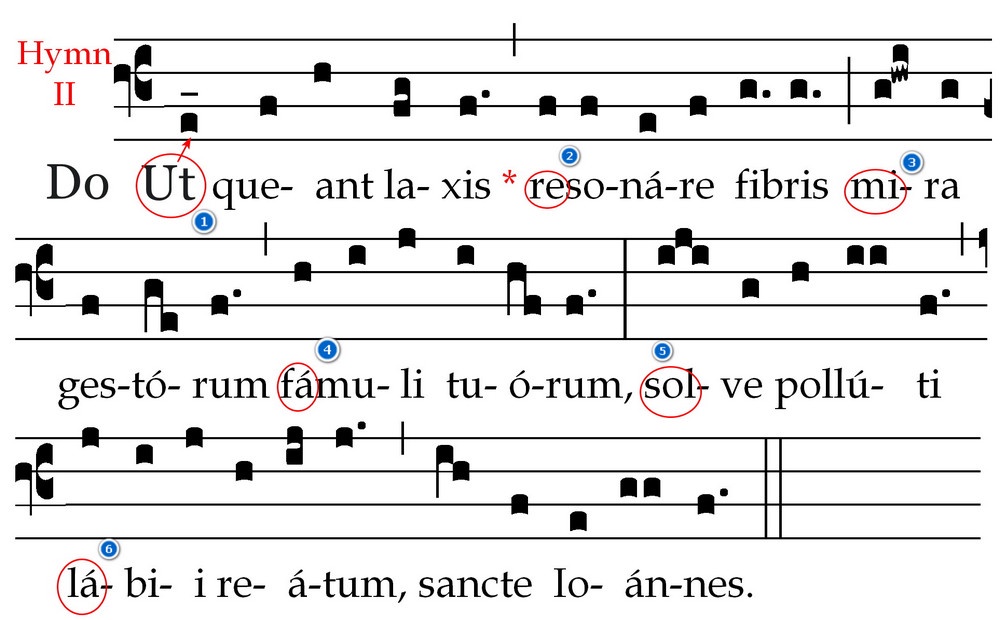
Both Music notes as letters and names also originated from special cases – the Latin alphabet (A, B, C…) despitе the fact its original creators (church clerks and monks) actually used a few hellenic (greek) letters especially the first note Г and for the notenames (Ut\Do, Re, Mi, Fa…) they used the lyrics of a well known psalm at that time which had its first 6 notes matching those exact sylables from the lyrics.
This has been 1000 years of… indoctrination. Learning without understanding.