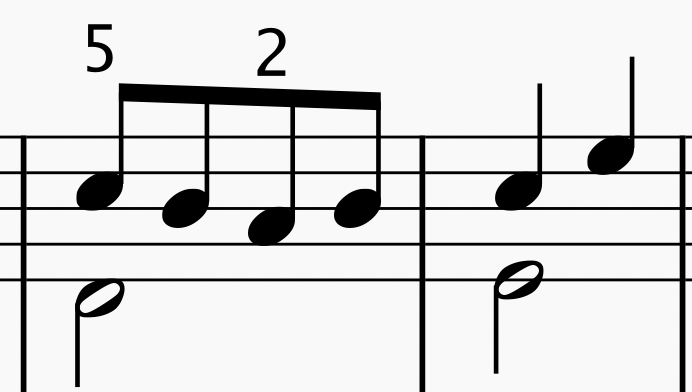
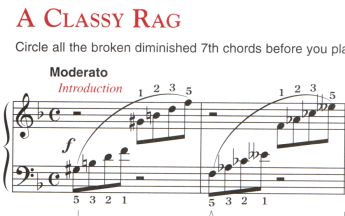
ShiroKuro This last part may be where @Animisha is feeling challenged, because if you’re not actively reading the LH part, it can be easy to miss subtle changes, like a pattern that’s repeated but only one note in a chord is changed.
Actually, the subtle changes in the piece that I talked about ("C# is played together with E, or with D, or with F#, or even with F") were in the alto voice. Still, it is quite true that most of my attention goes to the voice that is the most important one, which often is the soprano voice.
I have never heard of your recommendation "Read from the bottom staff up, rather than from the top staff down" and I never sight read like that. In the easier sight-reading pieces that I do, I focus on getting the melody right, both the notes and the rhythm, and I hope that the single notes or chords in the bass clef somehow tag along.
By the way...
ShiroKuro I'm trying to think if I have anything helpful to say in terms of how I got so comfortable reading....
Read a lot?
BartK That's pretty much it.
I did not recommend Synthesia for sight reading practice. In sight reading you need to play through your mistakes, so after one mistake, Synthesia would stop moving. So it is useless.
I do - still 😉 - recommend Synthesia (or a similar app) for the early stages of learning a new piece, when you want to make sure that you are not learning the wrong notes.