Or "Why are most makers not trying to develop repetition mechanisms for all upright models?"
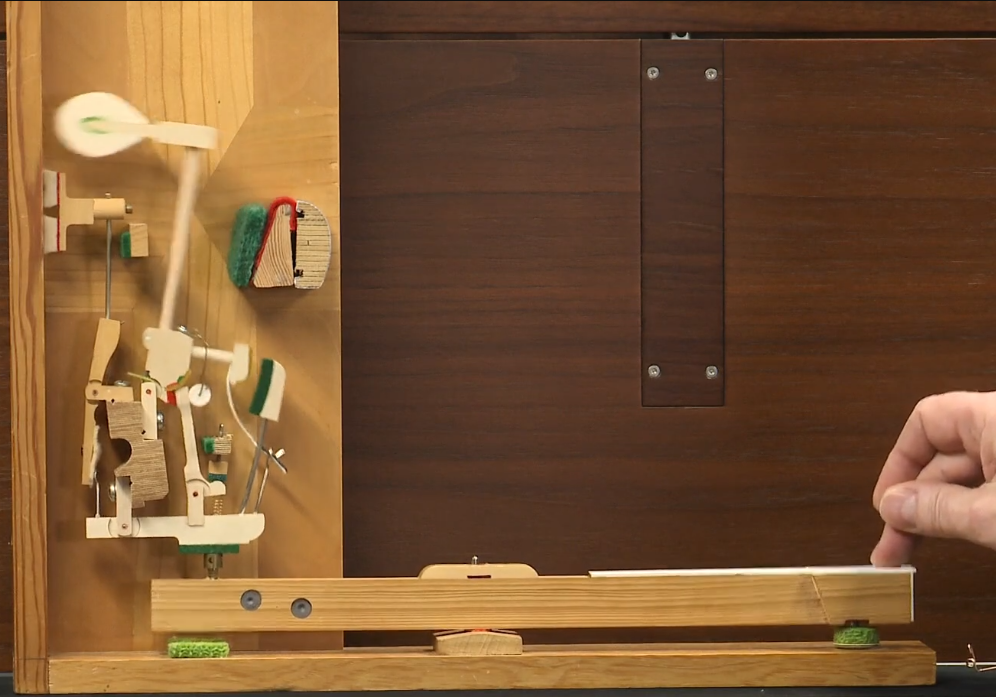
Grand pianos have a repetition mechanism that resets the jack before the key is fully released. Such mechanism isn't present in upright pianos. Some makers and technicians, however, have offered alternatives.
One Japanese vendor installed magnets that repel the hammers back to resting position, so repetition can happen sooner. I can't say how good or fast that mechanism is, since all information I have is from a single tv interview (which I can't seem to find on YT now).
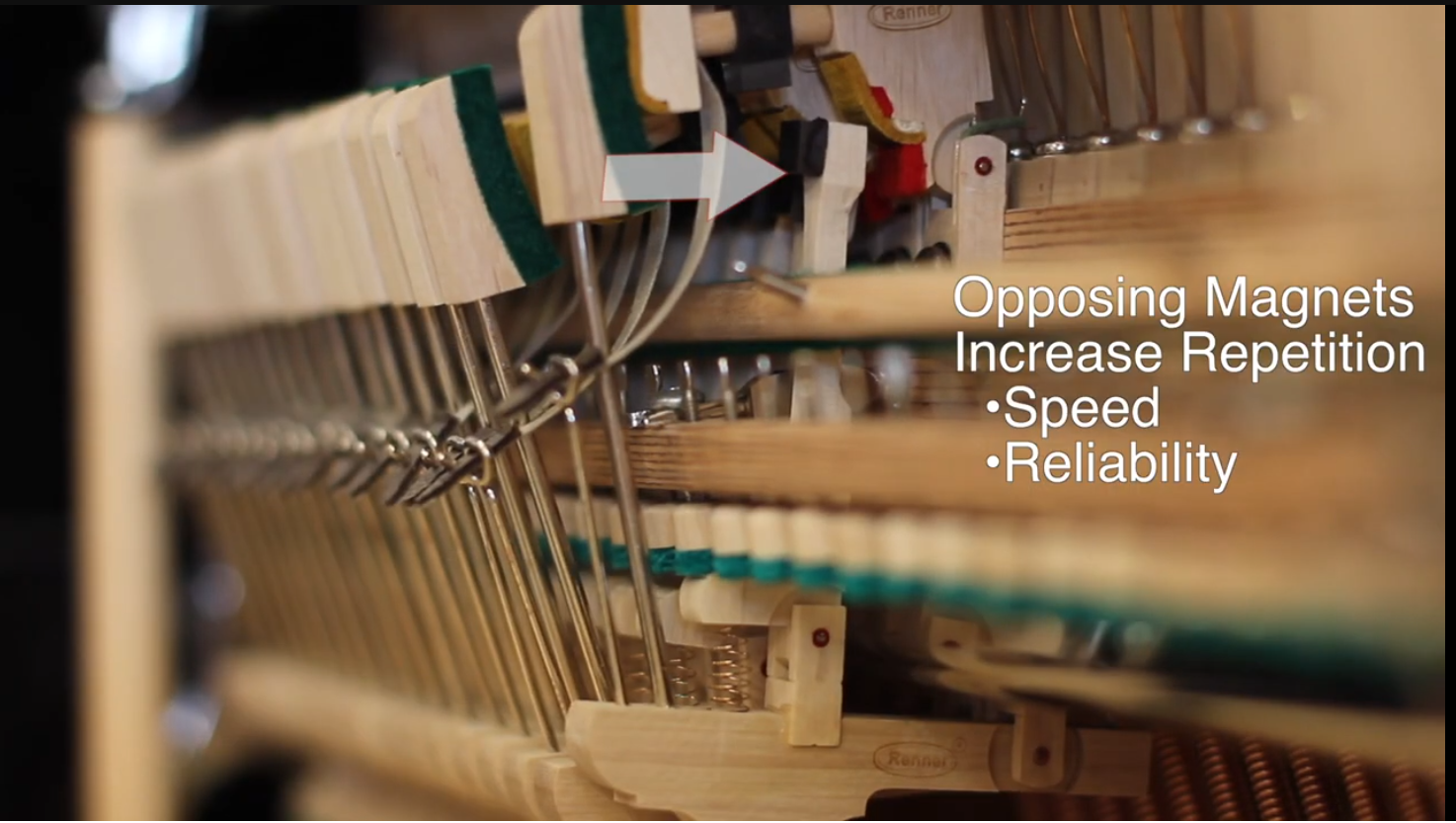
Seiler Pianos seem to offer another magnet-based system, with hammer and jack repelling each other. Piano Buyer states some top tier European models also include similar feature.
Feurich has their KAMM action, which adds a little felt pulley, attached to the hammer by a spring, that forces the jack back into place.
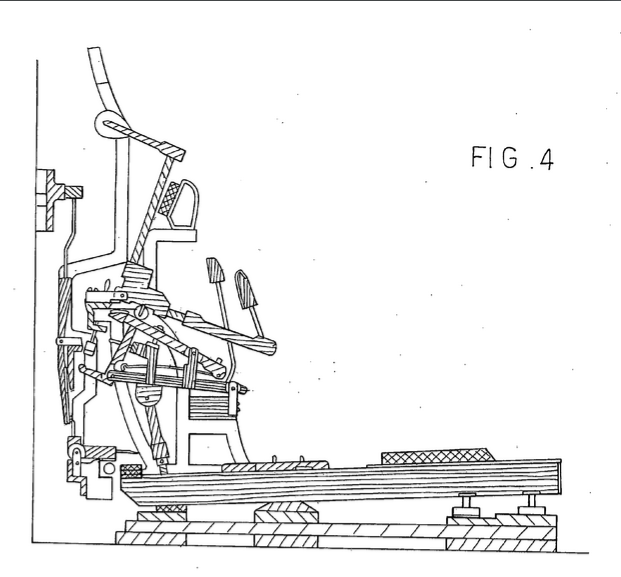
This Russian dude has invented an action featuring what looks like a repetition lever, but I can't understand Russian. Too bad war and politics will stop major brands and him from making deals. Unless he moves out of the country, I guess.
Some players and vendors state Kawai uprights from the K500 to K800 offer faster than average repetition. And at least one technician on YouTube states repetition in uprights is a matter of regulation. Pianists, however, agree that uprights are not as fast as grands.
What prevents piano makers and parts makers from making fast repetition in uprights universal? Apart from the Russian new action, all those systems seem fairly simple. Do they add up and increase cost and price significantly? Do they make regulation harder? Is consistency achievable with relatively cheap and simple magnets or do you need them to be made with such precision as to make it all too complex for most piano models? I mean, if cheap magnets would do, what stops you from gluing them yourself on your piano's action?
If piano students had access to upright pianos with faster repetition, would moving to a grand be an unquestionable necessity?