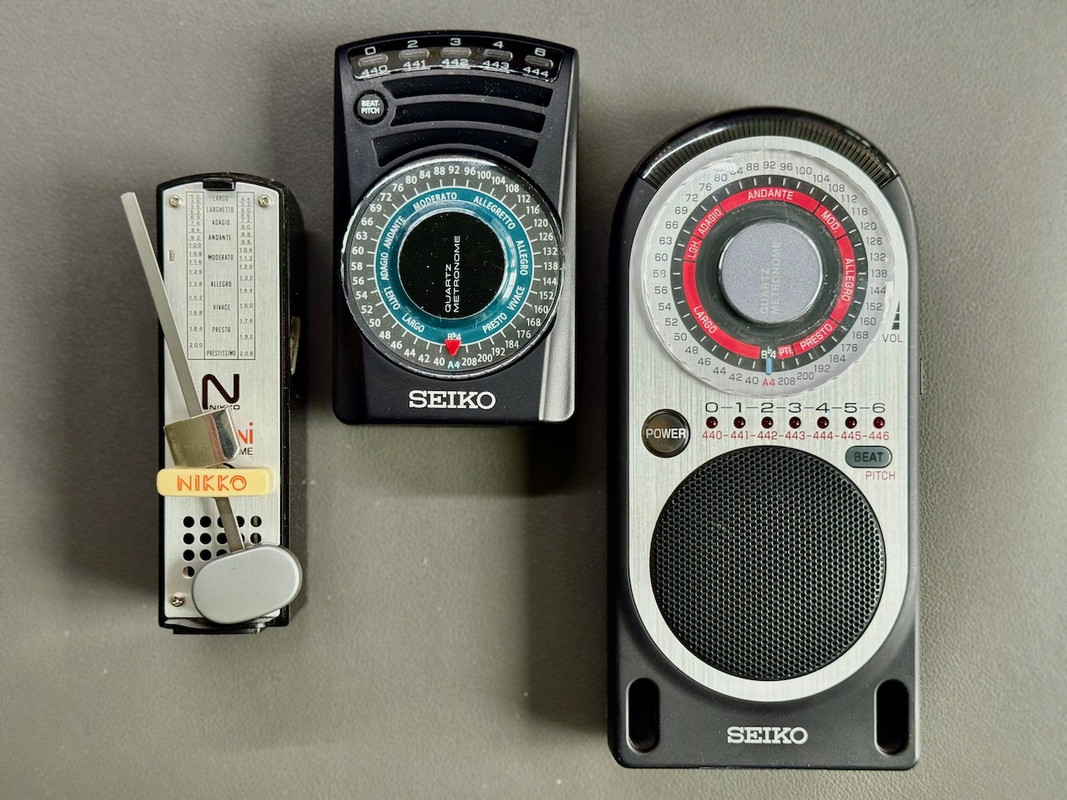
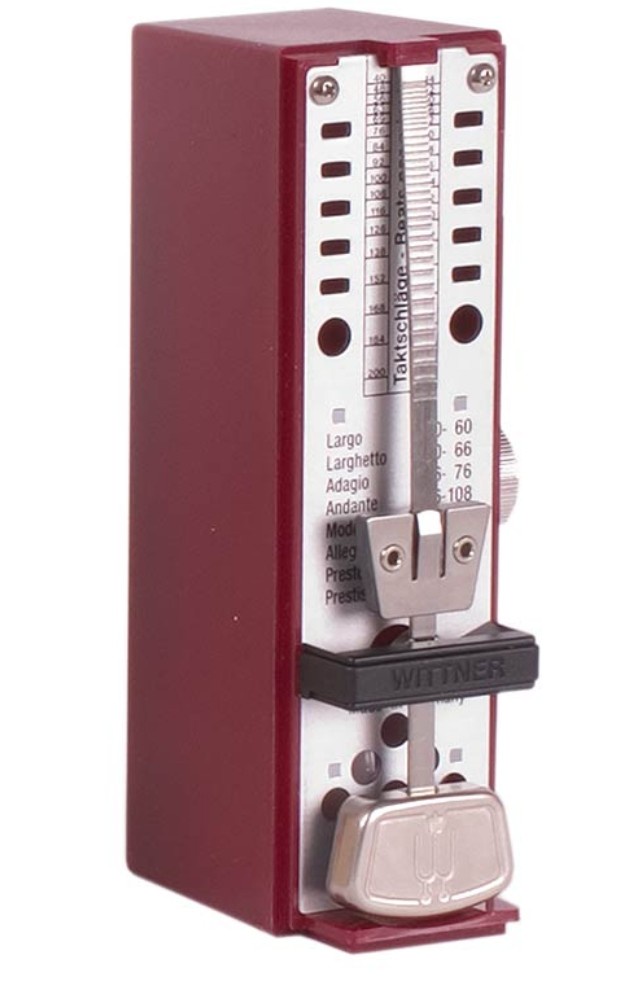
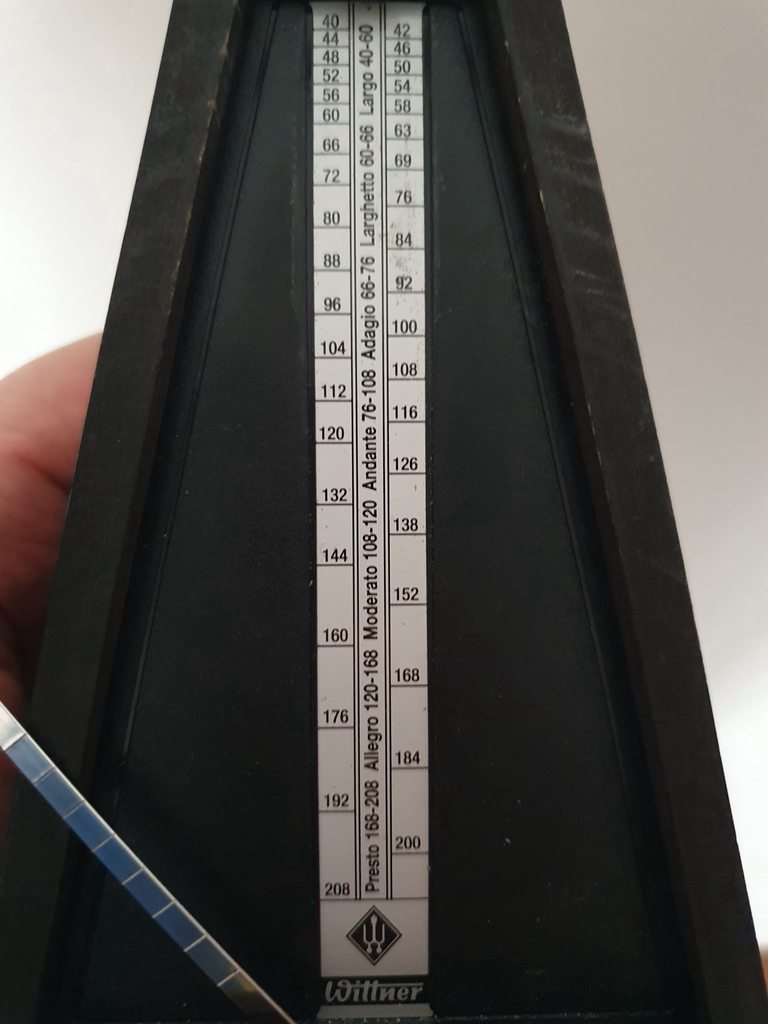
iternabe Another thing I learned, and as you pointed out, is the meaning of those tempo marking words and how they intend to convey certain feeling more than actual beats per minute.
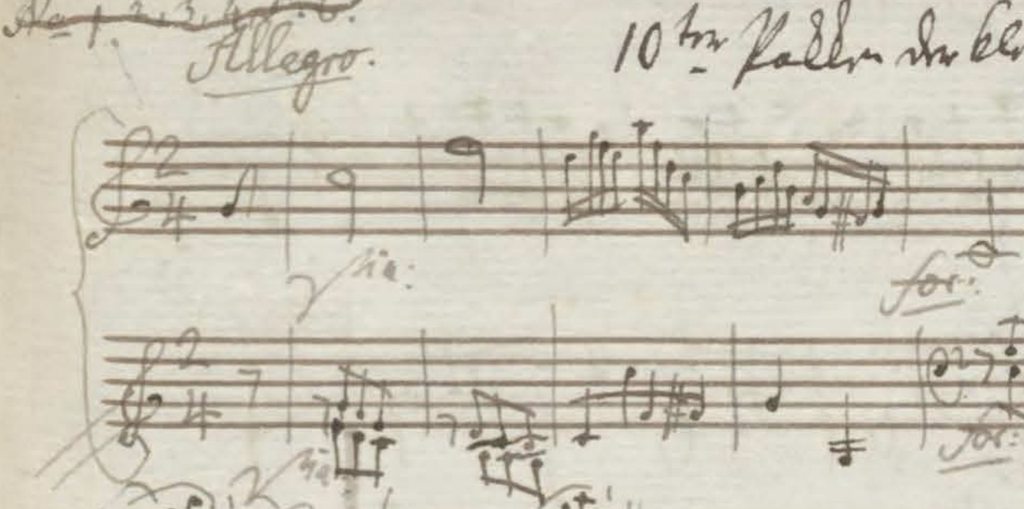
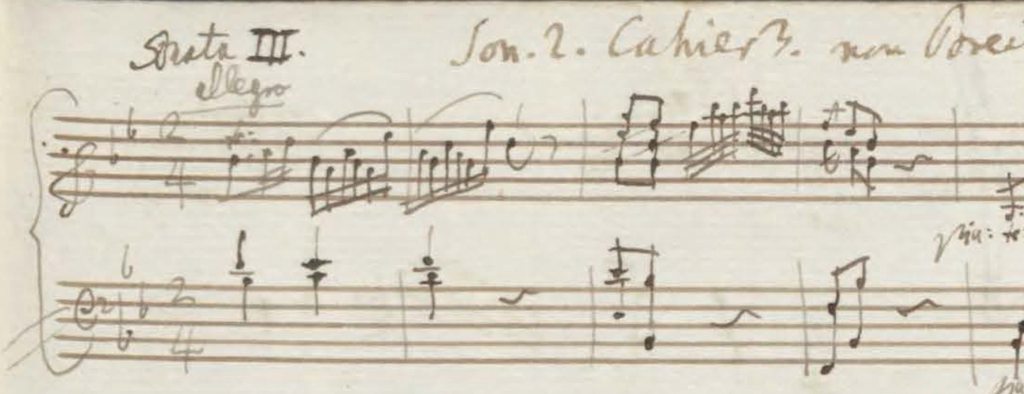
While tempo markings don't convey a precise number of beats per minute and there is no universally agreed upon range for a given tempo marking, my best understanding is that tempo markings do primarily relate to the speed and that is their most important aspect. That's why there's little disagreement about, when comparing two tempo markings, which would imply faster tempo. For example, if a particular piece was marked andante vs. allegro, no one would dispute which implied a faster speed.
Of course speed will imply a certain mood, but I think speed is the main idea behind tempo markings. Sometimes additional adjectives are included. For example, andante cantabile or allegro giocoso or presto agitato. These additional adjectives apply more to the mood.
From the BBC website: "Tempo means the speed at which a piece of music should be played."
The Wikipedia definition includes the idea of mood but clearly in a secondary fashion: "In musical terminology, tempo (Italian for 'time'; plural 'tempos', or tempi from the Italian plural), measured in beats per minute, is the speed or pace of a given composition, and is often also an indication of the composition's character or atmosphere. In classical music, tempo is typically indicated with an instruction at the start of a piece (often using conventional Italian terms) and, if a specific metrical pace is desired, is usually measured in beats per minute (bpm or BPM)."