pianoloverus We do seem to agree that it's the actual music and not the tempo marking that determines the mood.
The nuance is here: I'm saying that it is the actual music that determines not only the mood, but also the tempo. Words like Allegro or allegretto come as qualifiers which can certainly modify this tempo to some extent, but they are not the main definers of tempo. The main definer of tempo is the information contained in the music itself.
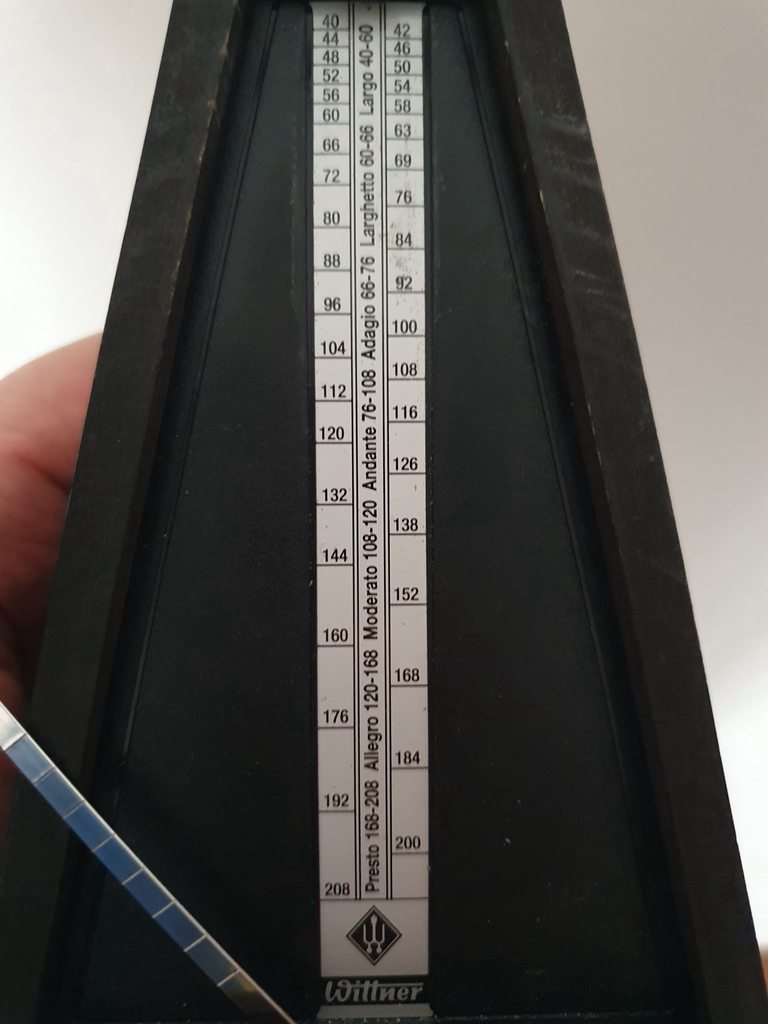
If somebody says to me: "I've got a piece of music in 2/4 time marked "Allegro", what should be the speed in bpm?", what can I answer? I might reply "It could be anything between 60 and 160: it depends on the music!", which wouldn't be very helpful.
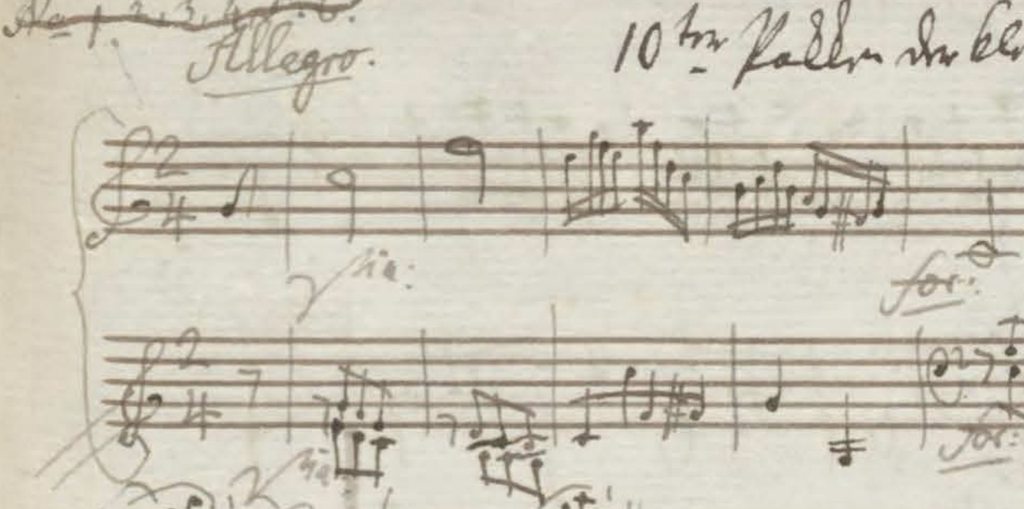
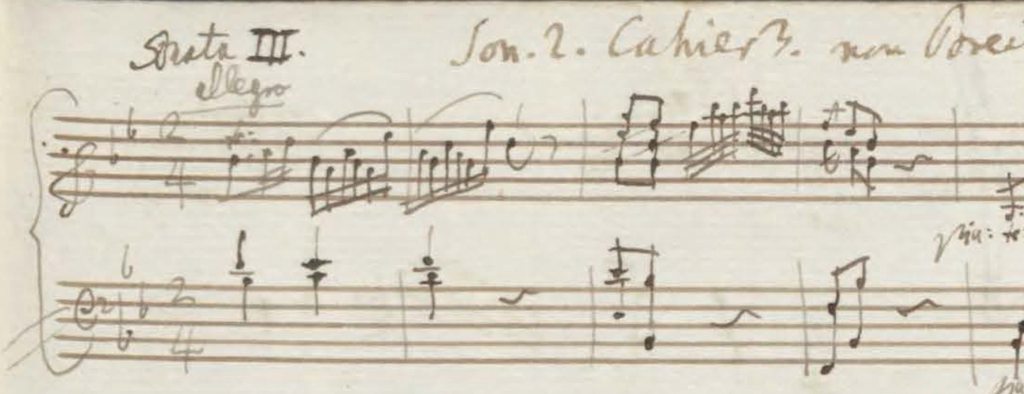
If, however, somebody shows me the last movement of KV 279 without any tempo marking, I'll deduce, simply from the music itself, that a reasonable tempo for this piece would be somewhere between 110 and 140 bpm, and that I'd probably play it at around the middle of this range. That's much more helpful!
If the somebody then tells me that the piece is marked "Allegro", this will confirm my choice of playing it somewhere around 125 bpm: for me, played at this speed, the piece feels allegro. If it were marked "Presto", I'd go nearer the top of the range I defined, or if the marking was "Allegretto", I'd go to the slower end of the range (I couldn't imagine this piece marked something like "Adagio": the music is clearly not slow or contemplative). In all cases, it's the feeling evoked by the tempo word which helps me in deciding what the tempo should be.