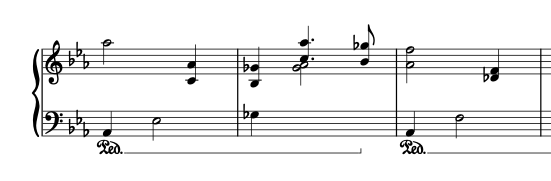
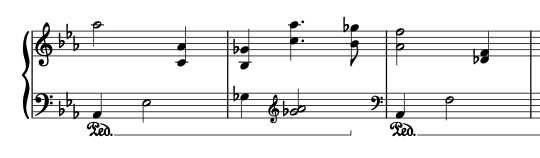
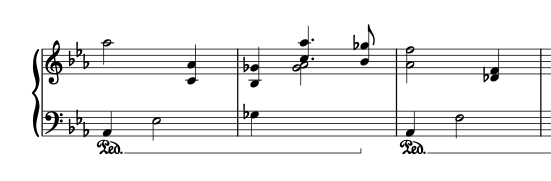
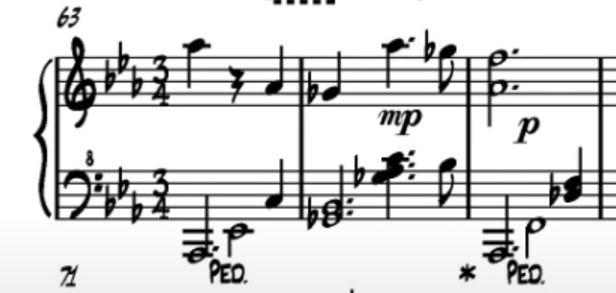
WieWaldi The first one is something I didn't get why the author made this way in the first place. Especially why are sharing a beam, are located in the same clef range, but constantly change the lines?!?
For that example, the composer is indicating that the LH should cross over. It’s the same chord the RH just played, but it’s supposed to be emphasized more when the LH plays it and the idea is to get a strong rhythmic feeling.
I think this point stands out:
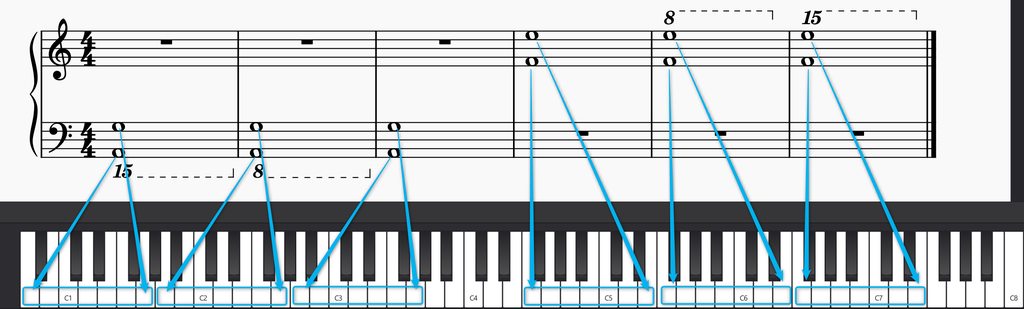
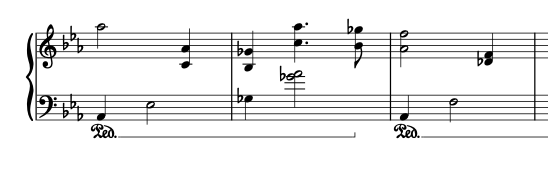
MRC Use ledger lines as much as possible, in preference to octave transpositions. The music written with ledger lines shows the contour of the passage, indicates hand stretch and keeps the feeling of geography.
First, I will say that watching videos of your playing, you are making good progress. So what you’re doing is working. And like I said earlier, I’m. Not opposed to ‘rewriting’ something to make it easier for me to mentally parse. I have done this from time to time. As music gets more complicated, it will be more challenging to read, and there are things that get balanced.
But I think what you’re seeing from a lot of the people who have played for a while has to do with expectations and how we understand the musical notation to help navigate what we do at the keyboard. For me, one of the reasons your 2nd version is disorienting is because I’m used to seeing those notes in the treble clef written on a different part of the staff — indeed, where they are in the first version. So it’s a significant mental jump to have see those notes on a part of the staff that I’m not used to.
Maybe you’re different from most of us, but as a number of people have said, octave shifts can be quite disorienting. They often occur in passages that are going up in the high treble or going down in the low bass, and when you hit the spot where the notes are actually going up but they look on the sheet like they’ve fallen off a cliff, it’s again disorienting. It’s a moment when the notation goes against the ‘contour of the passage.’
I find the change in clefs can also cause your brain to work a little more, but often these are in the context of pretty big shifts, so it’s also a cue for ‘big change.’
Anyways, music will get more complicated as you advance. Ledger lines will be part of this, and if you’re not thrown by octave shifts or cryptic markings next to the clef, I think you’ll find that with time, you’ll find the ledger lines really aren’t so bad… and may even have some advantages to alternative ways of annotating something.