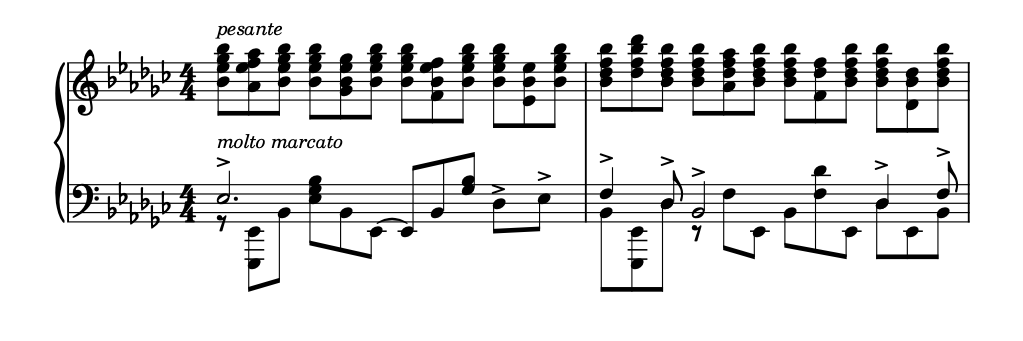
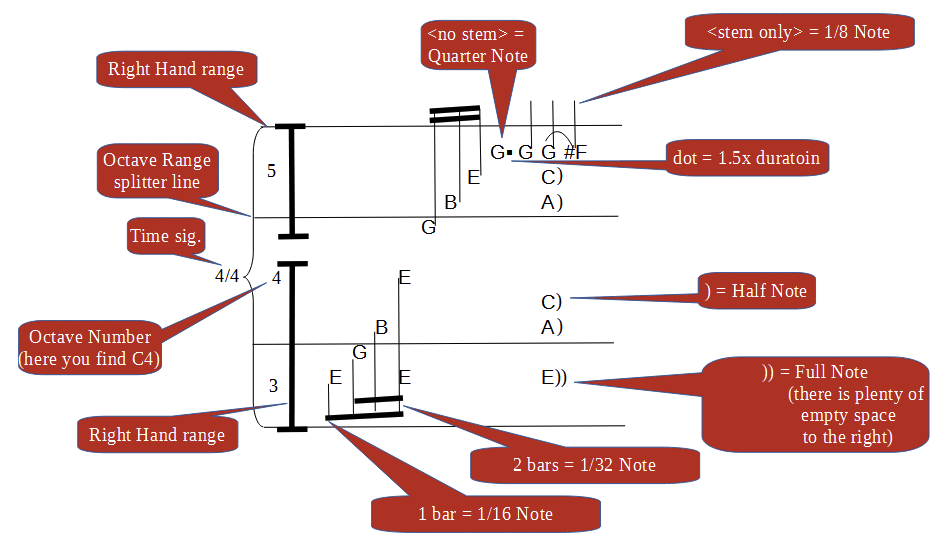
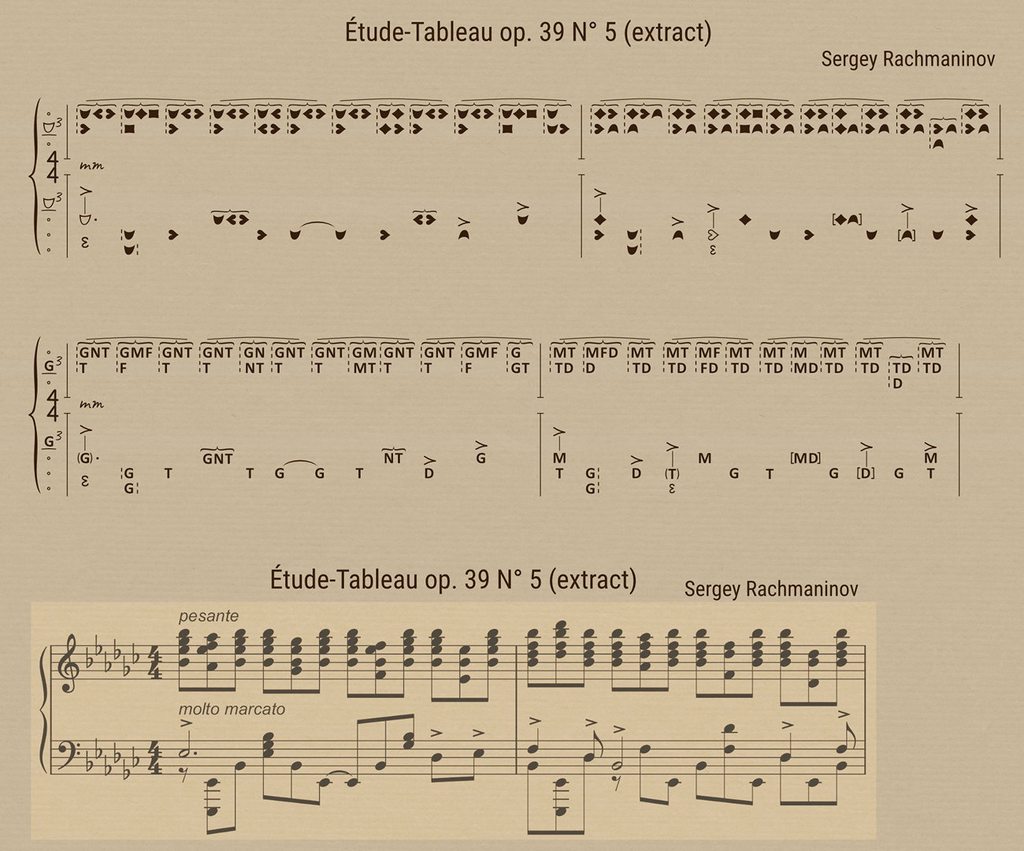
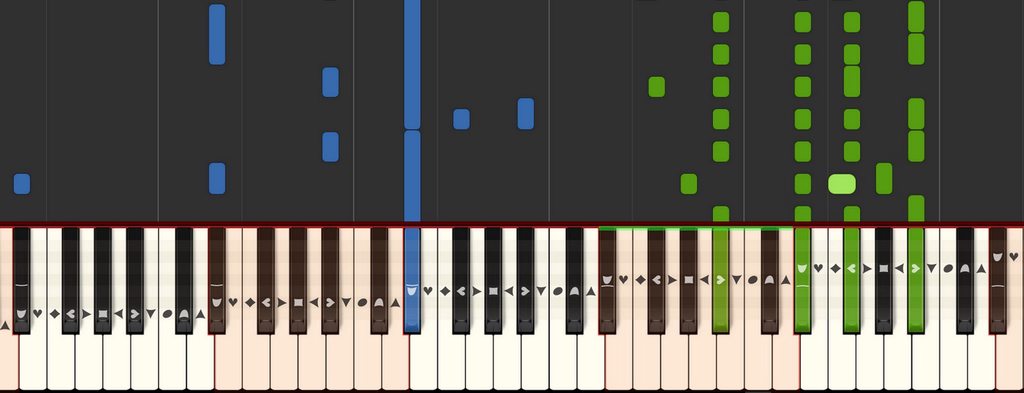
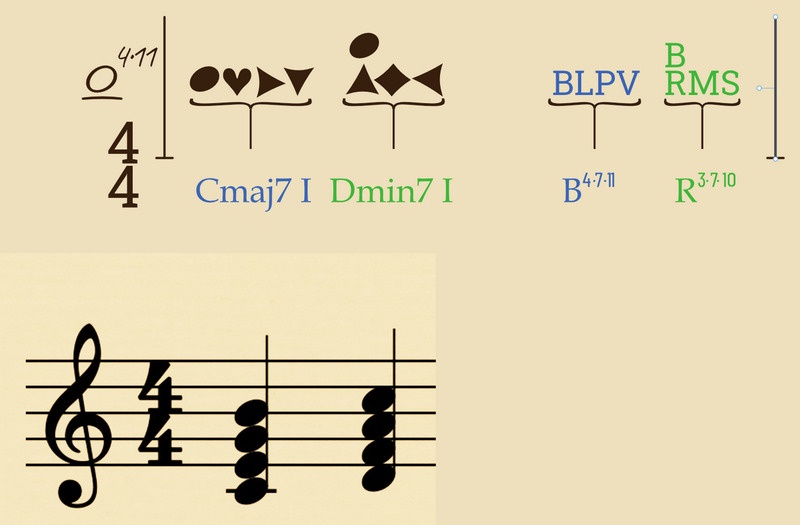
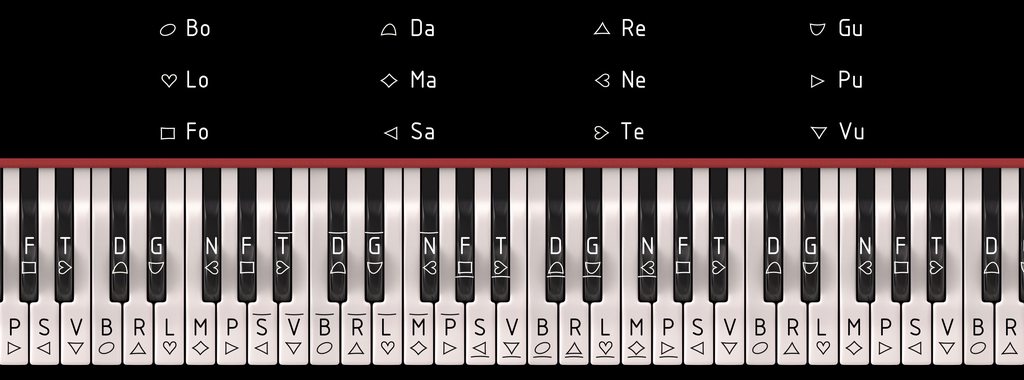
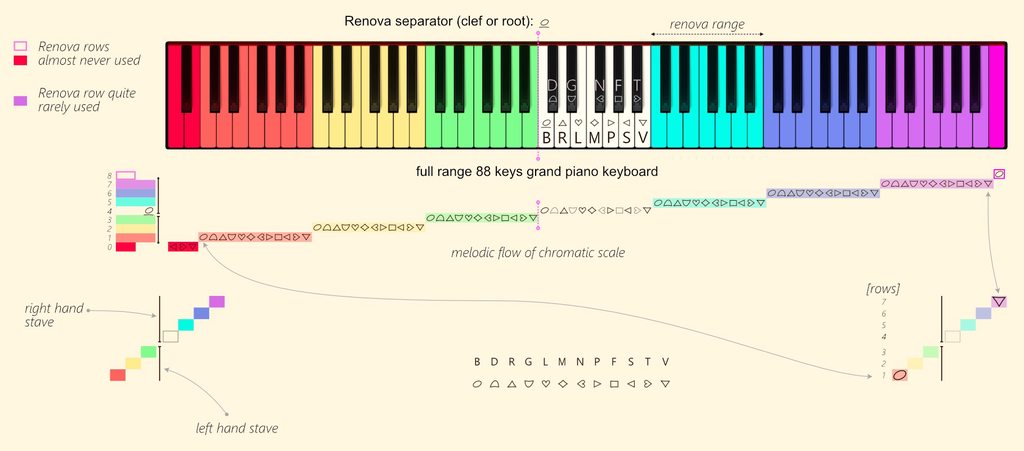
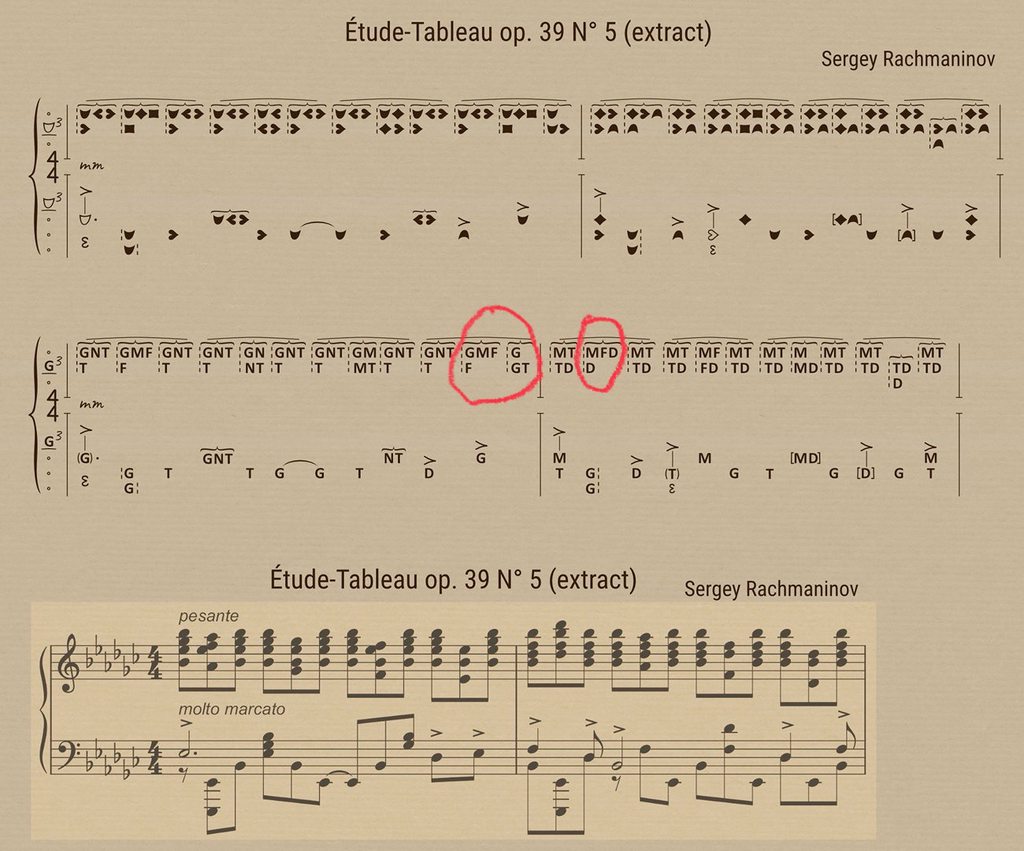
I have slept over this entire topic and thinking a lot about it. And I have seen the Music Notation Must Die Video.
And my final current conclusion is the following:
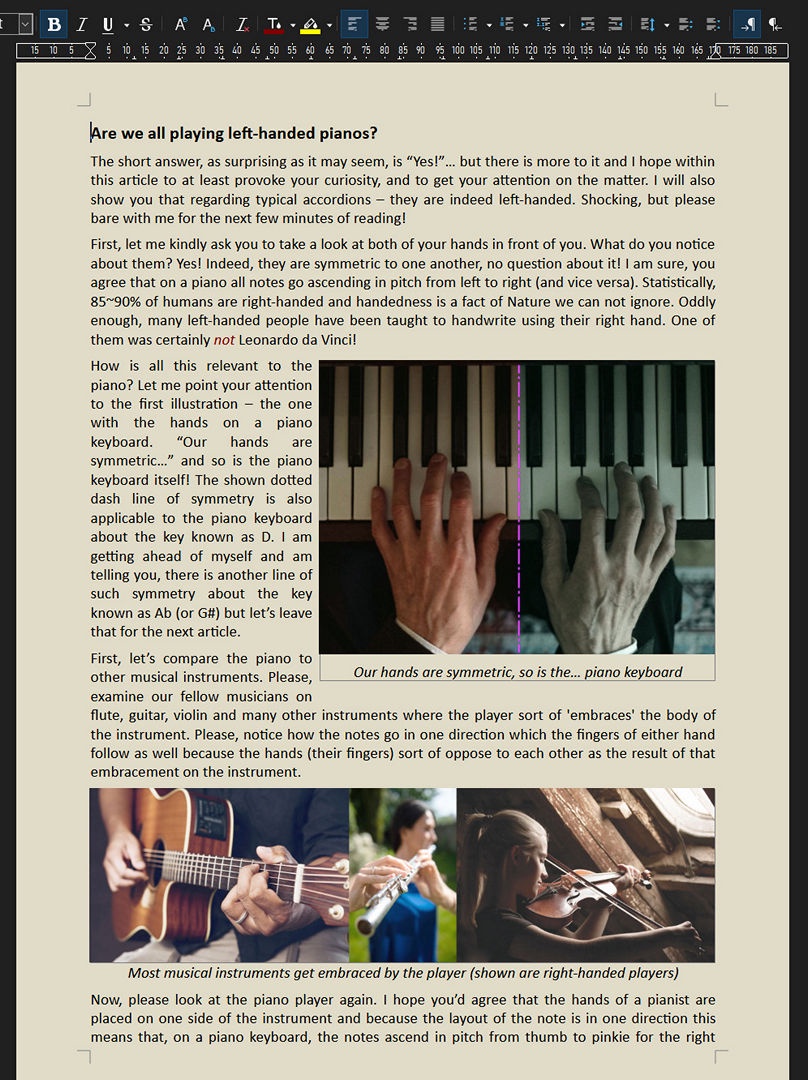
Our current notation system is good, except the clefs we are using. I am not saying clefs a bad, but it is awkward that each clef displays notes differently. I still stick to my proposal to use the same clef for everything, the F-clef (bass clef with D as center note).
And funny thing, in the video is mentioned many people complained about this. And the ref. Thomas Salmon proposal is exactly the same as mine. He used our existing F-clef (with D as center note for symmetry) three times and named them "Tr", "M" and "B" (treble, middle, base). In my opinion: perfect 👍
Well, he invested more time in the 17th century than me today to change this. And was not successful, the existing system was already too etablished. Still, it is nice to learn, I am not an idiot by thinking about it and getting the same conclusion.
About typical other innovations and new ideas:
- chromatic staff, no flats and sharps. This is something that is so obvious to do. Until you try it and see the amount of lines. And the consumed space. Nope - bad idea.
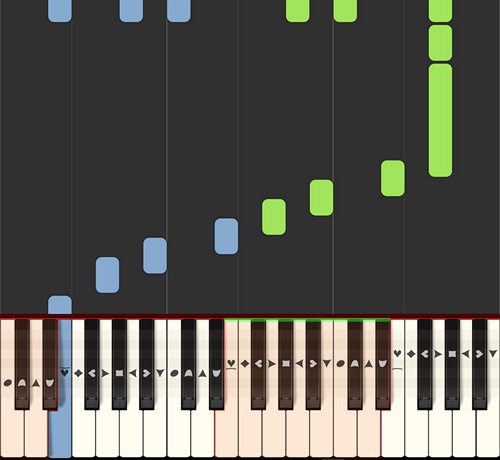
- piano roll - like the chromatic staff but worse. You don't use clefs and the score is always BIG
No, seriously, I like the notation as it is, (except the clef-thing). And as minor improvements, I would like to have other symbols for flat, sharp and natural. Why? Because the b has more ink on top of the center than on the bottom. Optical, it raises the note a little bit, but the meaning is to lower it. If we used a "q" or a "p" instead, it would be better.
Sharps and naturals looks too similar. If I get a really bad quality copy of sheet music, I have trouble to properly distingish both symbols.
And that's it with my critique.