PASHKULI
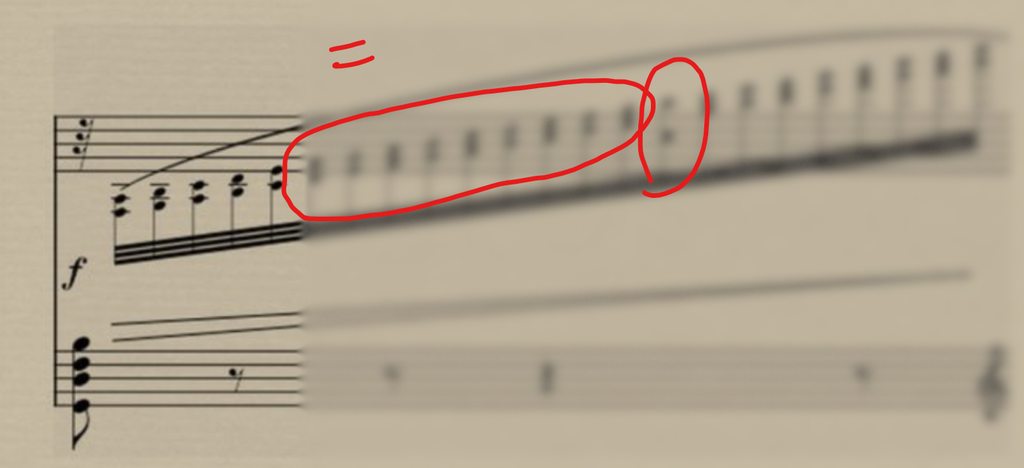
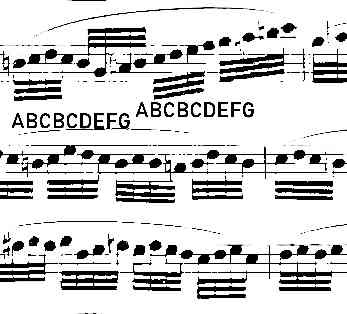
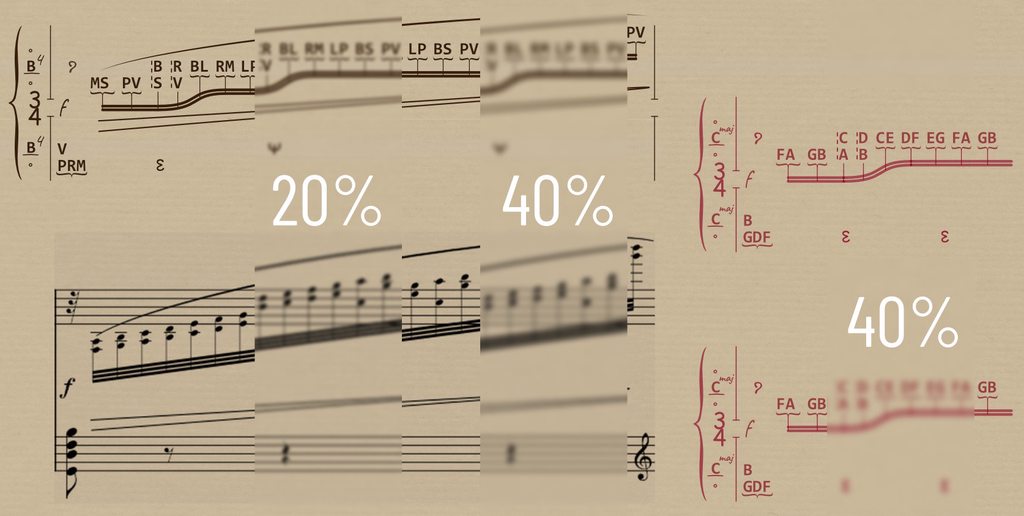
Here's the original example, without the wrong note that was inserted for demonstration:
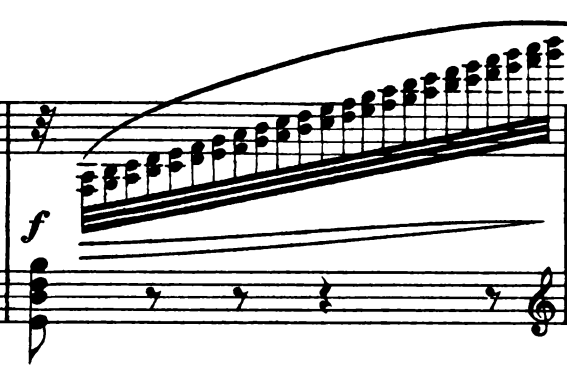
To this I add the context: the tempo is rapid (6/8, not 3/4, but we don't even have to have seen it, since it can be deduced from the rests in the bar quoted), the key signature is no flats nor sharps, the clefs are treble and bass. What we see is a very fast scale in consecutive thirds, all on white notes. Even without the word glissando (Ravel does actually write it at other points in the score), it's clear that a glissando is intended here.
How long does it take me to read it and play it? A few seconds:
- I see an extended dominant 7th chord in the bass, instantly recognisable from the intervals that compose it.
- For the glissando in thirds, all I need to do is to look at the first and the last chord.
- Then I play the bar.
That's it.
Even if it was a series of staccato thirds instead of a glissando (the tempo would have to be slower in this case), reading it and playing it would be just as rapid: I can immediately see that all the thirds are on white notes, so all I need to do is to play each third with the same fingering (my choice would be 2 and 4) and a rapid wrist motion, just like the chords in the Beethoven example I posted earlier.
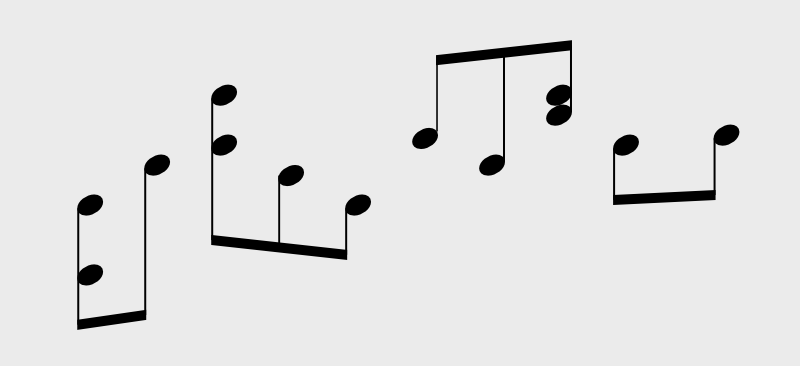
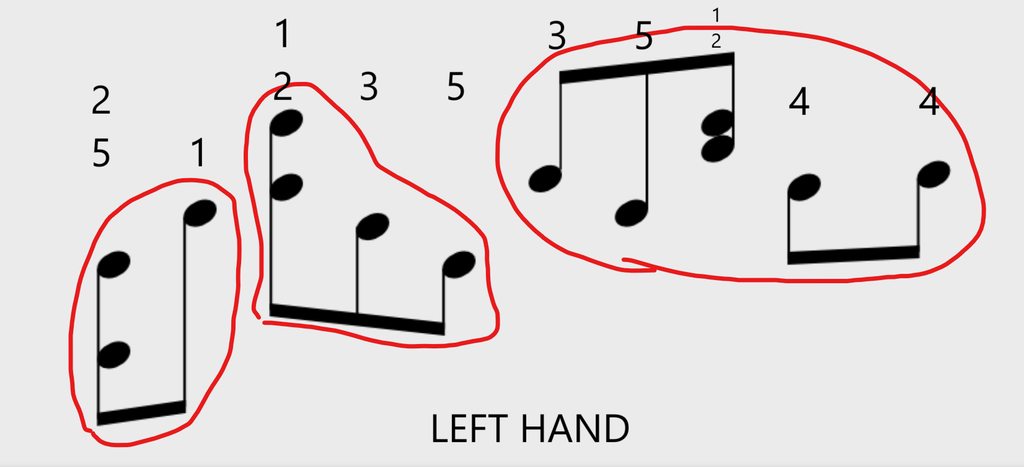
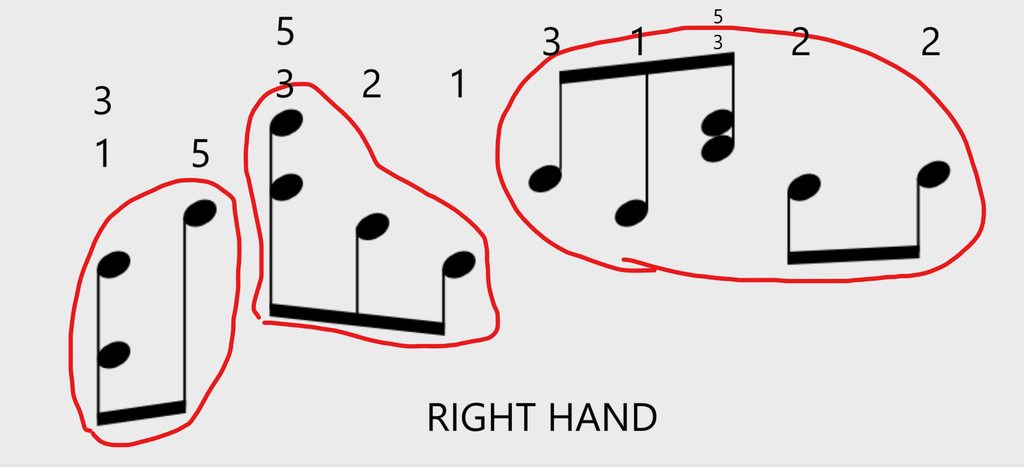
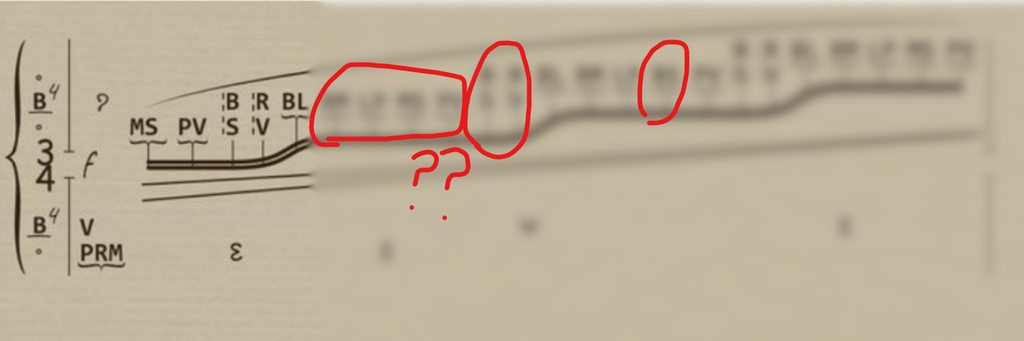
When such a scale is written as in your example, I need to check each pair of letters or symbols. Some of the pairs are aligned horizontally, and others vertically. I see the chords connected by a wobbly line, which further complicates matters. There is no way I can immediately grasp that this is in fact simply a straight run of thirds.
In the original notation, I see a direct connection between the geography of the notes on the pages and the geography of the keyboard.