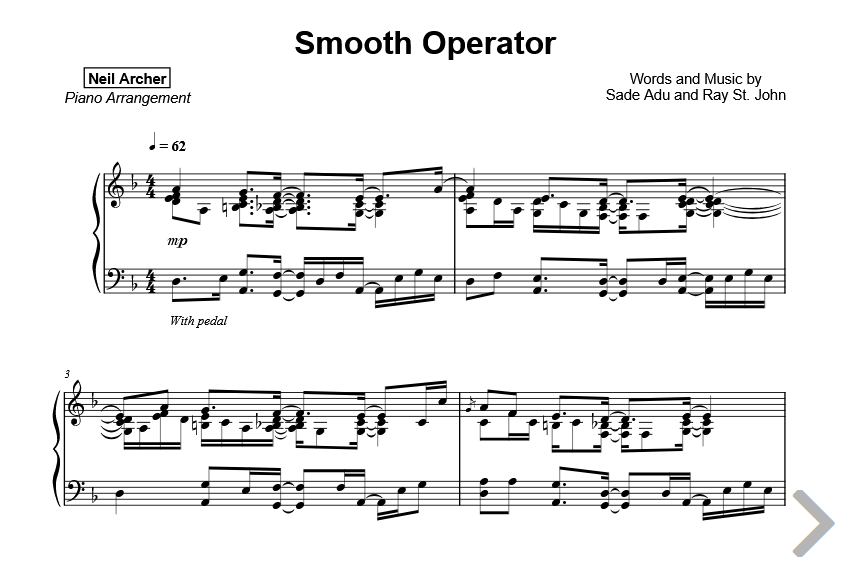
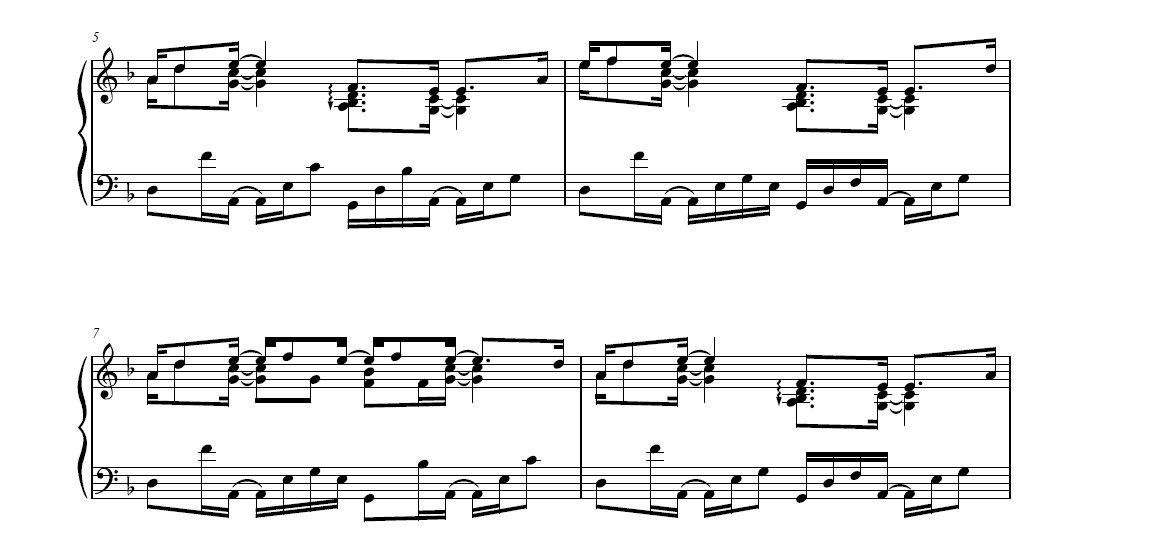
ShiroKuro No, I think it's the "extra bits" that are the problem. If all the chords were three-note chords, I wouldn't be tripped up.
I've been thinking about this. The part where you're looking for a chord finder because you want to write in the chords is something I can't help you with, but others have with that part. I tend to think about how we process things, and go outside the box finding other ways of processing - do that a lot for myself. So I'm just playing with it, if that's ok.
You wrote that when chords are in the LH you find that easier. That is interesting. Does that include when the LH has a treble clef? If LH treble clef chords are also easier, could you play the upper staff notes in m. 1 - 4 with your left hand, and have the left teach your brain and then your right, if that makes sense?
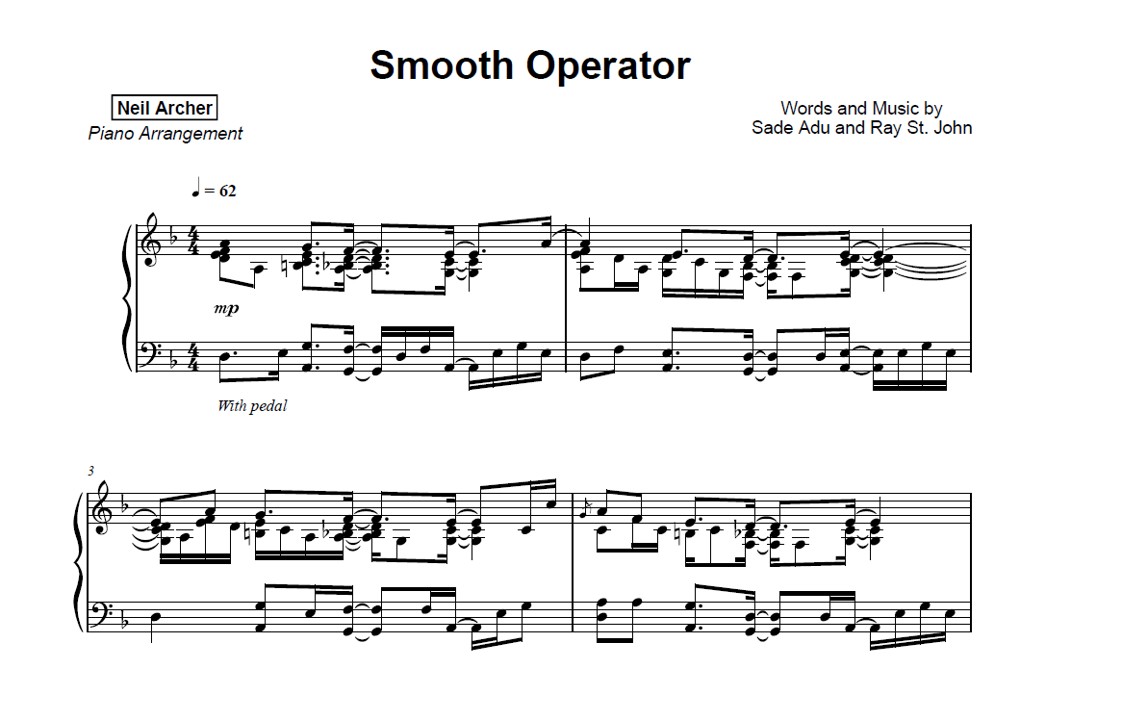
I was trying to see how I read the score. m. 1, I see the triad first in the RH - Dm to A in beat 1 - then that E is just that thing in the middle making it dirty-dissonant, like a mini cluster-chord. It's a Dm with a blob. Beat 2 I perceive C becoming Bb (chords, but with that extra Bnat "stuck to the triad" which moves down to become A. So I think I see triads first, and then stuff stuck onto the triad The Bb chord with the A stuck on the bottom is also a Bb(maj7). I've not mentioned the LH, but that figures in too.
So I think that, even if lighting fast, I look for the triad and then stuff attached to it, and then it may get a chord name. For inverted triads, the root note is the note above the 4th. With a 7 chord of some kind we'll see a 2nd when there's an inversion.
Would looking at how you perceive music give you new avenues for growth?