If you're enrolled in a Suzuki program, the answer is clear. There is a CD at the end of each Suzuki Book. Students are expected to listen before learning to play pieces.
The benefits of listening is that you learn a tune in your head before playing so the time to learn to play it gets shorter. You can certainly try to learn pieces from the score without using other performances as reference.
Many pieces are available online with more than 1 performance to choose from. You can listen to more than 1 interpretation of a piece to hear what you like and dislike about each performer. There are many pieces that we want to learn because we heard the tune from somewhere and liked it. Not because we know nothing about the piece and want to learn it as a challenge. Once I heard a performance of the Shostakovich Waltz #2 with a small orchestra and found a piano arrangement. A popular piece like Chopin Nocturne Op. 9, #2 many people would have heard parts of it. Casual listening is different from studying the score. You're aware of the key the piece is in, the dynamics changes, rubato playing, etc.
If you heard a recording once, you have a vague idea how the piece goes. You may not be paying attention to all the nuances in the piece until you start practicing. You become familiar where 1 section ends and the next comes in.
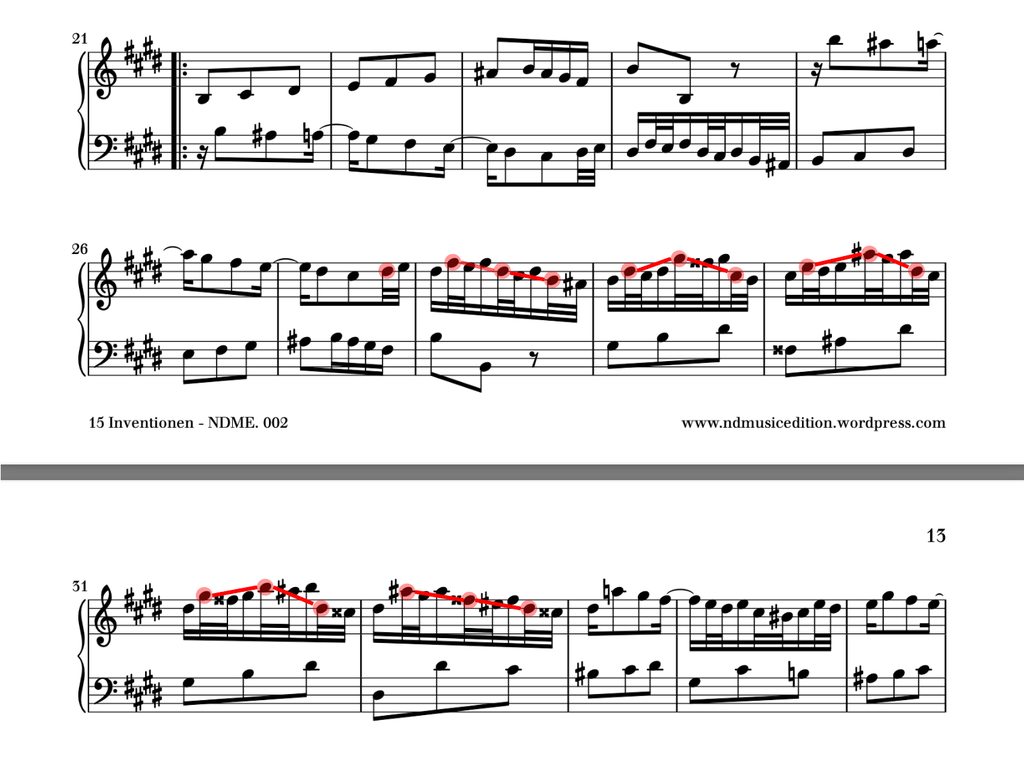
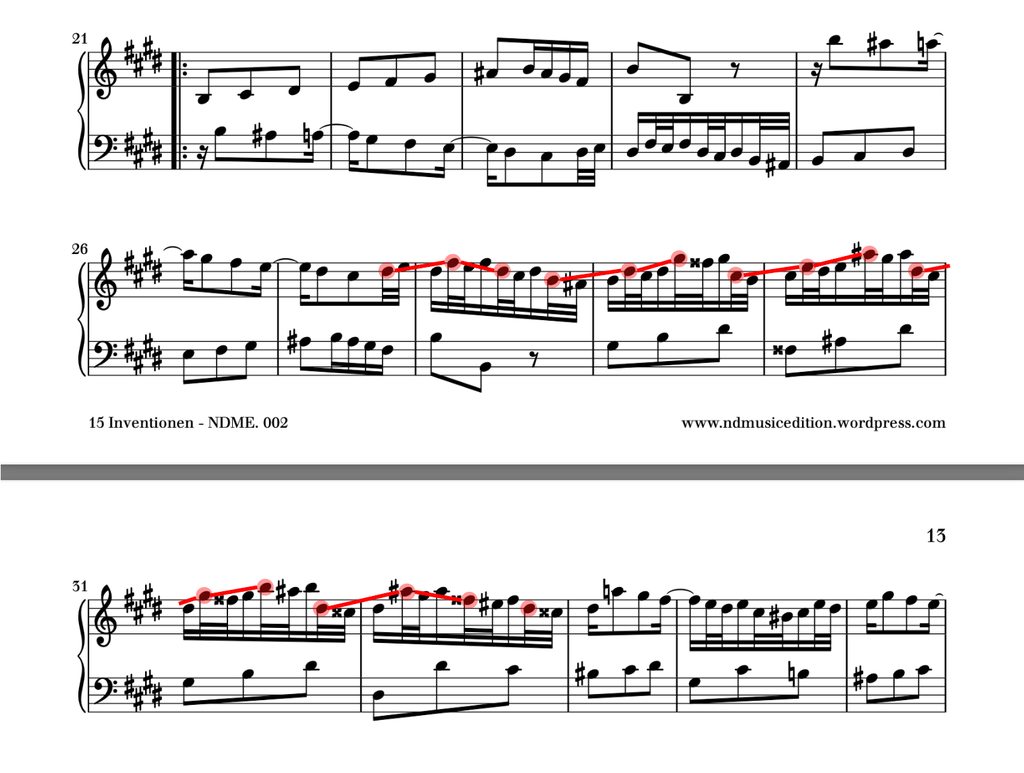
I download sheet music regularly anything from Classical to Jazz & Pop. You trust that the notes as given are accurate. I often find mistakes in the score. People would input the notes using a notation program. There are places where the notes don't sound right and beats don't add up. A lot of times I'd go through the sheet while listening to a performance to find discrepancies. Unless I'm playing out of a book assigned by the teacher, I check my downloads for mistakes and I often find them.
If you want to learn a piece on your own, you can still listen to performances a few times in the beginning but without getting into specifics. Try it yourself for a few weeks and compare your playing against other recordings after you're done learning.