iternabe In addition to that, I find looking at MIDI output from my DP reveals more problems than I could hear.
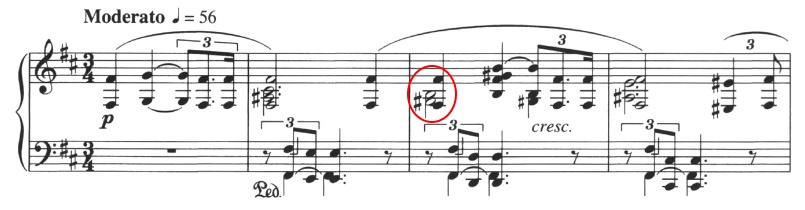
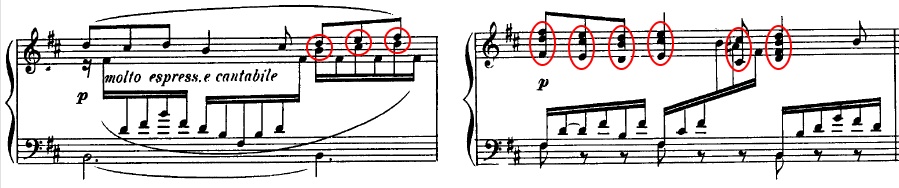
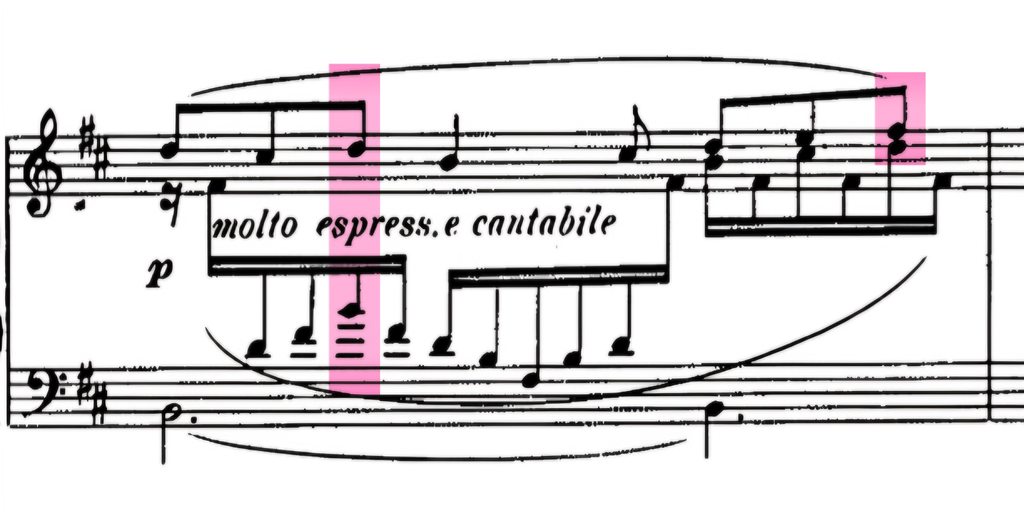
Oh yeah. I never thought that I was incapable of playing a basic 1-3-5 chord with all keys striking at the same moment, until I saw the MIDI "piano roll."
keystring When you do this, do you play and record the whole piece and then listen? What if you record a couple of lines, then listen back, and do this back and forth? What about going about it in a very exaggerated way and gradually pull back?
That's a good idea. I never record just a snippet. Mainly because recording is a huge headache for me. I don't like the friction of starting the app, stopping it, listening, etc. And recording acoustically means putting together the recorder, positioning it, finding a device to play it back on, etc. My setup just isn't conducive to "quick and dirty record and playback. I think if I downloaded an app that could make that seamless, it would really help in playing back short segments.
JB_PT Ditto...but based on what I've read at the forum over the years, I think this is fairly common?
I suppose it is, but I'm wondering whether it's like a muscle you can train--when you reach a certain level of technique or virtuosity, do you get better at hearing what is objectively played, not colored by your own effort/focus?
Ithaca how do you know that your recording is that accurate in terms of what you, the person playing, hears? Or, for that matter, what someone 10 or 20 feet from your piano would hear?
For some pianos, the sound profile can change significantly as you walk around the piano, and it's affected by the room as well.
One interesting rule of thumb I heard was to have someone play the piano, and walk around it. If you find a spot that sounds particularly good, put your mics there, and that's what they'll capture.