To go back to the original subject of this thread, here are some thoughts.
A musical work usually goes through many changes before being published. The composer alters a melody here, a harmony there, decides to cut a section or add some more bars somewhere else... Even composers such as Mozart, who we were told imagined everything perfectly in his head before writing it down, in fact made quite radical changes, as shown by sketched-out first versions of some of his works. There's probably always something you might be able to improve on, but at some point you have to say that this is the version that will be published, either because you decide it, or because you have a deadline to meet.
That doesn't stop the work living on in the composer's head, and particularly in the case of composers who perform their own works the music may continue to evolve. Maybe a composer likes to play their pieces differently each time: in this case, there isn't a preferred, "best" version. Maybe they end up with a version they really prefer to the one they published. That doesn't necessarily mean they will go to all the bother of creating a revised score and insisting that their publisher releases the new version.
Take those two Rachmaninoff recordings I just posted. Listen to the first few bars of both. The RCA (acoustic) recording has understandably better dynamic shading than the Ampico (piano roll) one, but otherwise they are very similar. Rachmaninoff starts slow and menacing, making a noticeable rallentando and diminuendo in the third bar, then plays fast from the 6th bar onwards.
Now look at the score, which was published in 1917:
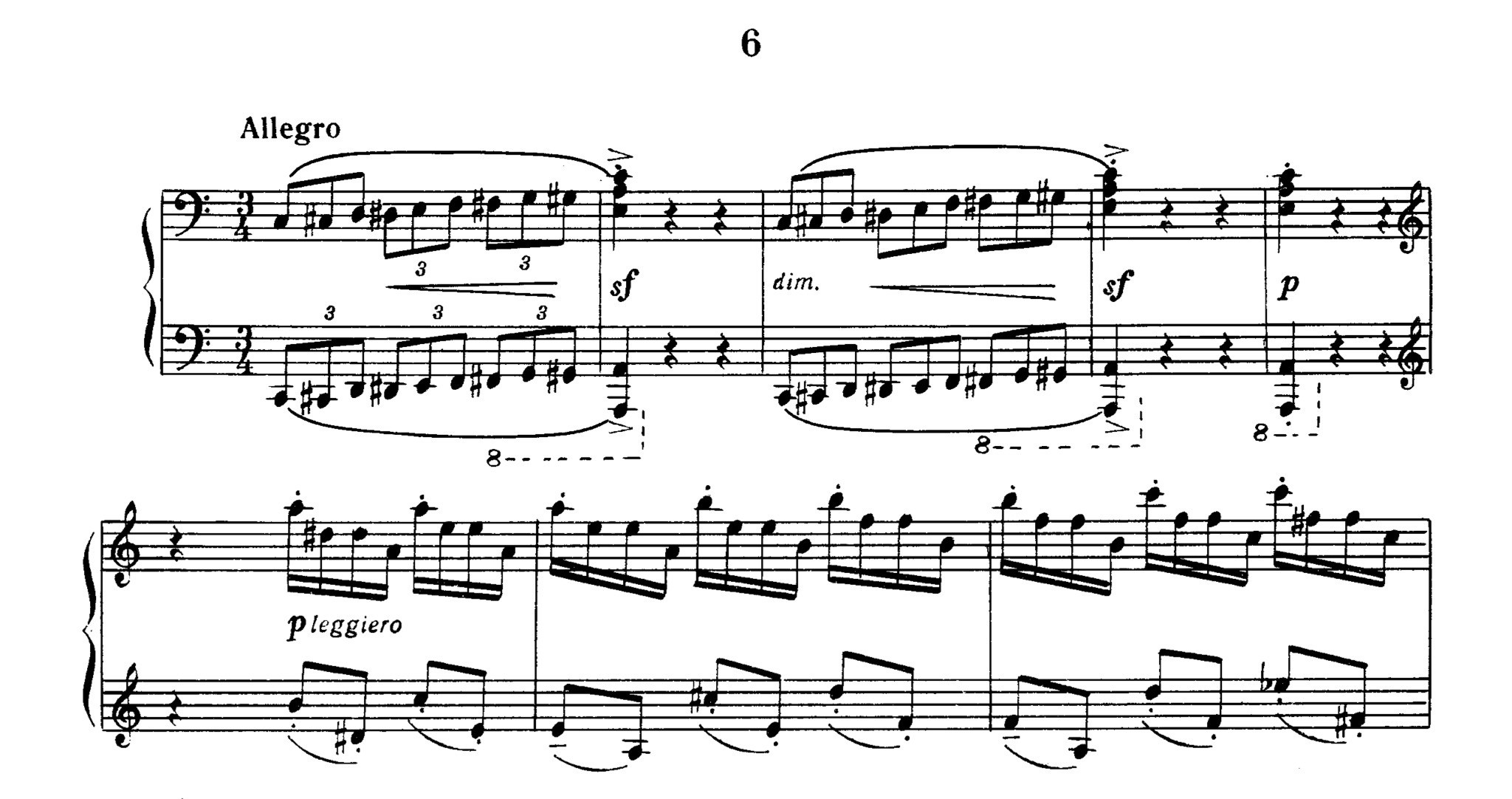
Just Allegro from the start. Since he recorded this piece twice, both times with the first bars very free in tempo and at a much slower speed than the printed Allegro, I think it's safe to say that this is the way he had come to prefer it.
Why didn't he make a revised edition? Bringing out a new edition takes time and money, and he had other worries anyway. Probably he didn't think the difference was that important, and of course people could listen to his recording.
A pianist who plays that piece now has the choice: copy (more or less) the way Rachmaninoff recorded the beginning, or play it all Allegro. I prefer the more dramatic version in the recordings, but nobody can say that the Allegro version is actually wrong.