twocats are you attending the whole week again this year? Are you allowed to compete again?
I will be there the entire week and participating in the festival, but cannot compete again.
twocats Also the thought of dorm accomodations and cafeteria food is scary 😂
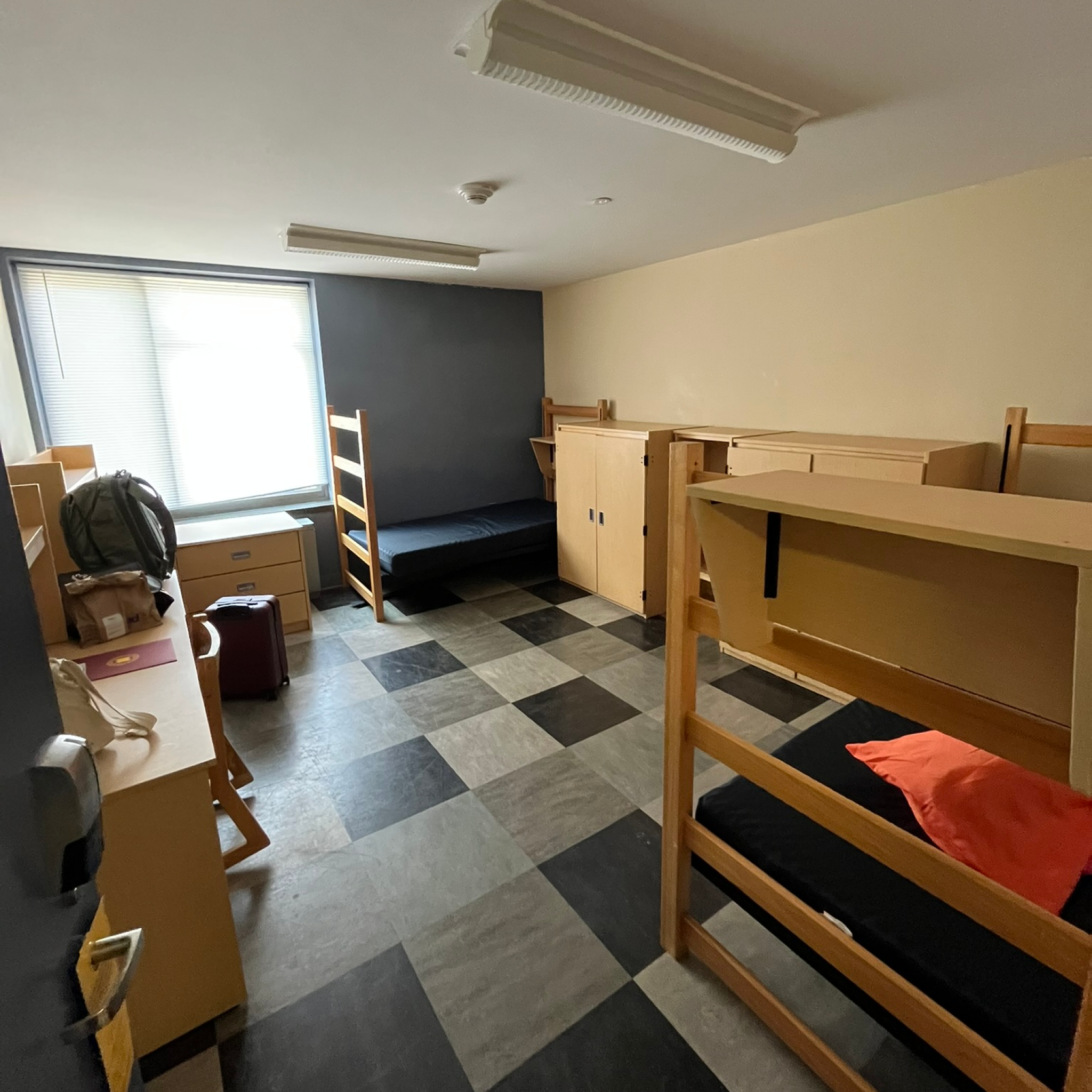
The dorms weren't bad, but I would definitely plan on spending money on non-cafeteria food. FWIW, several people that have been to both PianoTexas and Oberlin said that the Oberlin dorms are better but cafeteria food is worse. My secret adult trick: stop by a Costco on my way to Oberlin to stock up on snacks and wine.
twocats Tell us more about the masterclasses and educational part! Like, can you do masterclasses for your competition pieces?
You can absolutely do your master class on a competition piece. I'm pretty sure the reason the schedule is ordered the way it is is so the first set of master classes is for people that have been eliminated from the competition (this way, competitors don't get extra help with their competition rep from jury members before their competition run is over). You'll be in a master class with probably 3-4 other participants depending on how many people participate, so you'll get to hear others play and the comments from the faculty as well, which can be useful even if you aren't working on the same piece. Last year there were multiple master classes running at the same time, which prevented you from sitting in on other people's masterclasses unless you were in the same group (which is unfortunate in some ways but also allowed them to fit in even more master classes), but I'm not sure how they'll run them this year.
The "Phrase Structures and Tonal Harmony" talks and the faculty forums ("Collaborative Playing" and "How to Play Concertos with Orchestra Parts Reduction for Second Piano") are new but sound interesting to me. The historical instruments talk is definitely an interesting one — once you try playing something on them you start to realize just how different some of these instruments were and how what was notated in a score back then may not have a direct translation on a modern concert grand.
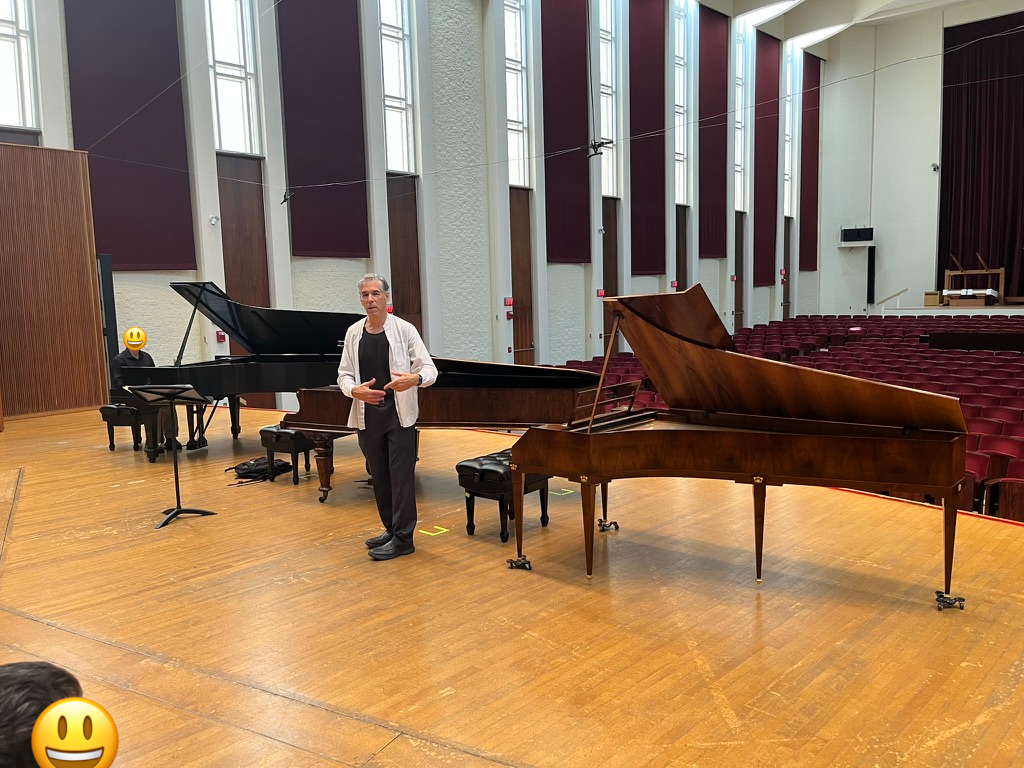
From left to right, a modern Steinway D, an 1862 Broadwood not dissimilar to something Chopin may have played on, and a replica of a 1800s-era Viennese piano (with knee-activated pedal!) suitable for Haydn/Mozart/early Beethoven
